
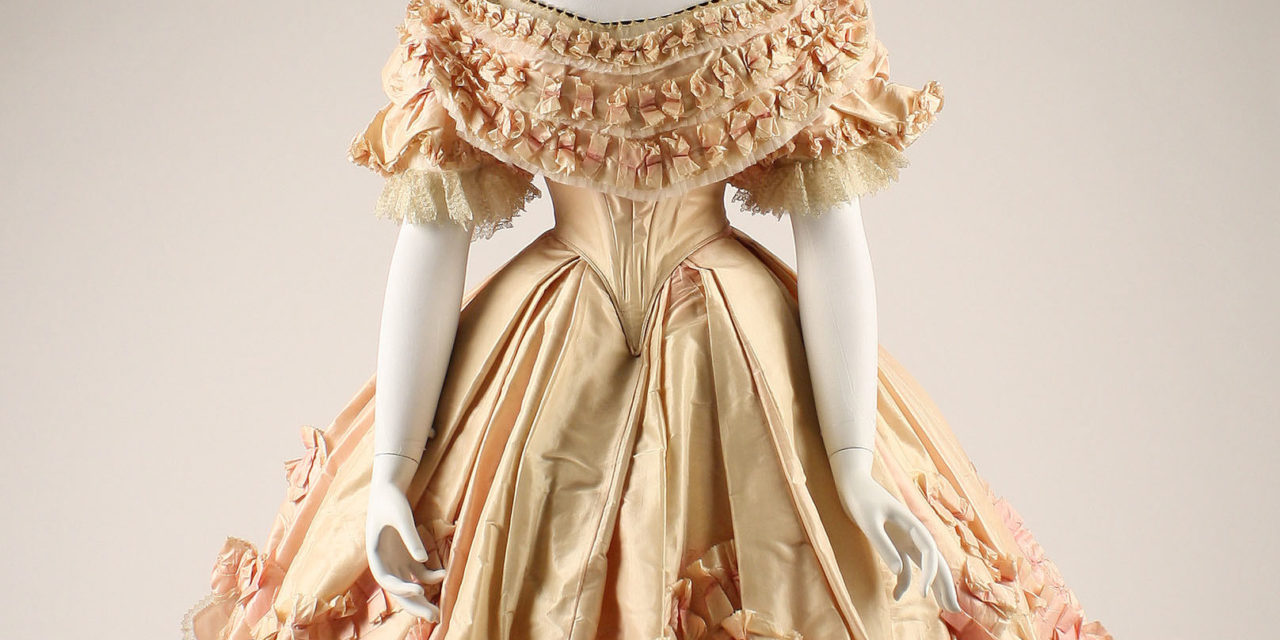
The year 1860 stands as a pivotal moment in Victorian fashion, a period defined by opulent fabrics, dramatic silhouettes, and an undeniable sense of grandeur. Among the most exquisite examples of this era's elegance is the cream silk evening dress. Far more than mere attire, such a gown represented a woman's status, her family's wealth, and the meticulous craftsmanship of the age. This particular garment, with its luxurious material and period-specific design, offers a captivating glimpse into the social rituals and aesthetic sensibilities that governed formal wear in the mid-19th century, embodying the very essence of Victorian societal display.
By 1860, the silhouette was unequivocally dominated by the cage crinoline, a revolutionary undergarment that allowed for skirts of unprecedented volume while being lighter and more flexible than earlier petticoats. The cream silk evening dress would have showcased this expansive, dome-shaped skirt, often reaching several yards in circumference at the hem. Above this magnificent skirt, the bodice was invariably fitted, precisely tailored to cinch the waist, often featuring a pointed "V" shape at the front, emphasizing a tiny waist in stark contrast to the skirt's grandeur. For evening wear, necklines were typically low and wide, baring the shoulders and décolletage, designed to be both alluring and elegant. Sleeves were often short and puffed, sometimes adorned with lace or ribbon, allowing for the display of arms and fine jewellery, completing a look that was both imposing and graceful.
The choice of cream silk for an evening dress in 1860 was deliberate and significant. Silk itself was the epitome of luxury, its lustrous sheen and fluid drape making it ideal for formal occasions where light, particularly candlelight, would catch its exquisite surface. Cream, a soft, warm white, offered a delicate alternative to pure white, conveying purity and sophistication without the starkness. This color also provided a perfect canvas for embellishments that were integral to Victorian evening wear. Delicate lace overlays, often Chantilly or Honiton lace, might adorn the bodice or sleeves. Ribbons, artificial flowers, pearls, beads, and even intricate embroidery could be meticulously applied, adding texture and sparkle. The fabric's quality and the artistry of its decoration spoke volumes about the wearer's taste and the resources available to her, transforming the dress into a veritable work of art.
An 1860 cream silk evening dress was not merely worn; it was presented. Such a garment was reserved for the most important social events: grand balls, opera performances, formal dinners, and elaborate soirées. These occasions were crucial for social networking, courtship, and the affirmation of one's place within society. The dress facilitated a ritual of dressing, where accessories like long kid gloves, ornate fans, sparkling jewels, and carefully arranged hairstyles completed the ensemble. Despite the dress's considerable size, its design, particularly the crinoline, allowed for surprising freedom of movement, essential for dancing the waltz or quadrille. The cream silk evening dress thus served as a central element in the performance of Victorian high society, a beacon of elegance and a testament to the era's dedication to elaborate and beautiful attire.
In conclusion, the 1860 cream silk evening dress stands as a magnificent emblem of its time. It encapsulates the defining silhouette of the crinoline era, showcases the luxurious materials and intricate embellishments favoured by Victorian society, and illuminates the social context of grand evening occasions. More than just a garment, it was a statement of refinement, wealth, and adherence to the strict, yet beautiful, sartorial codes of the mid-19th century. Its enduring appeal lies in its ability to transport us back to an age of unparalleled elegance and sartorial splendor.
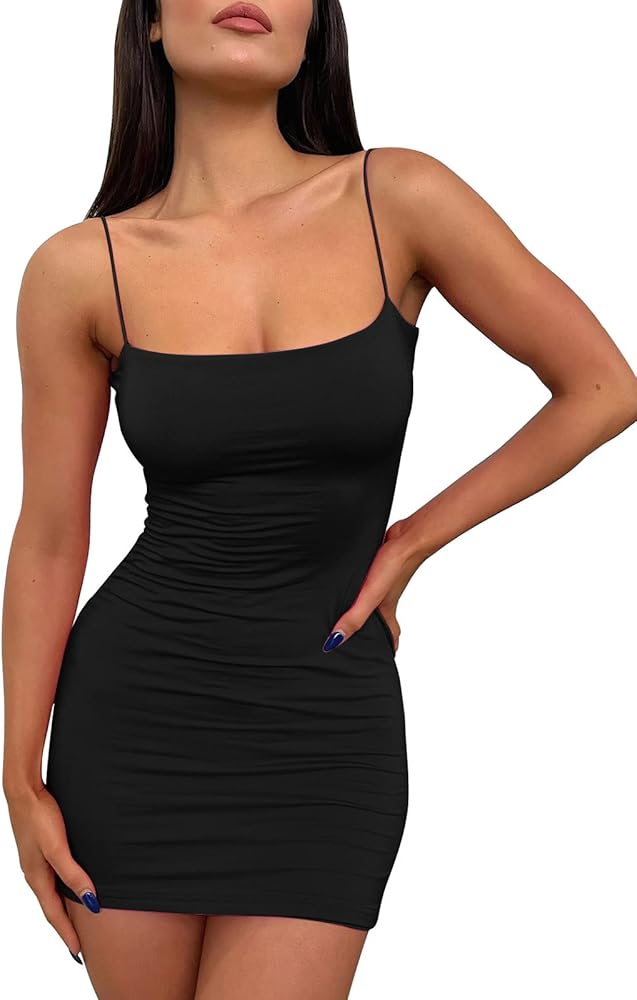
Amazon.com: LILLUSORY Women's Mini Sexy Bodycon Dress 2025 Summer ...
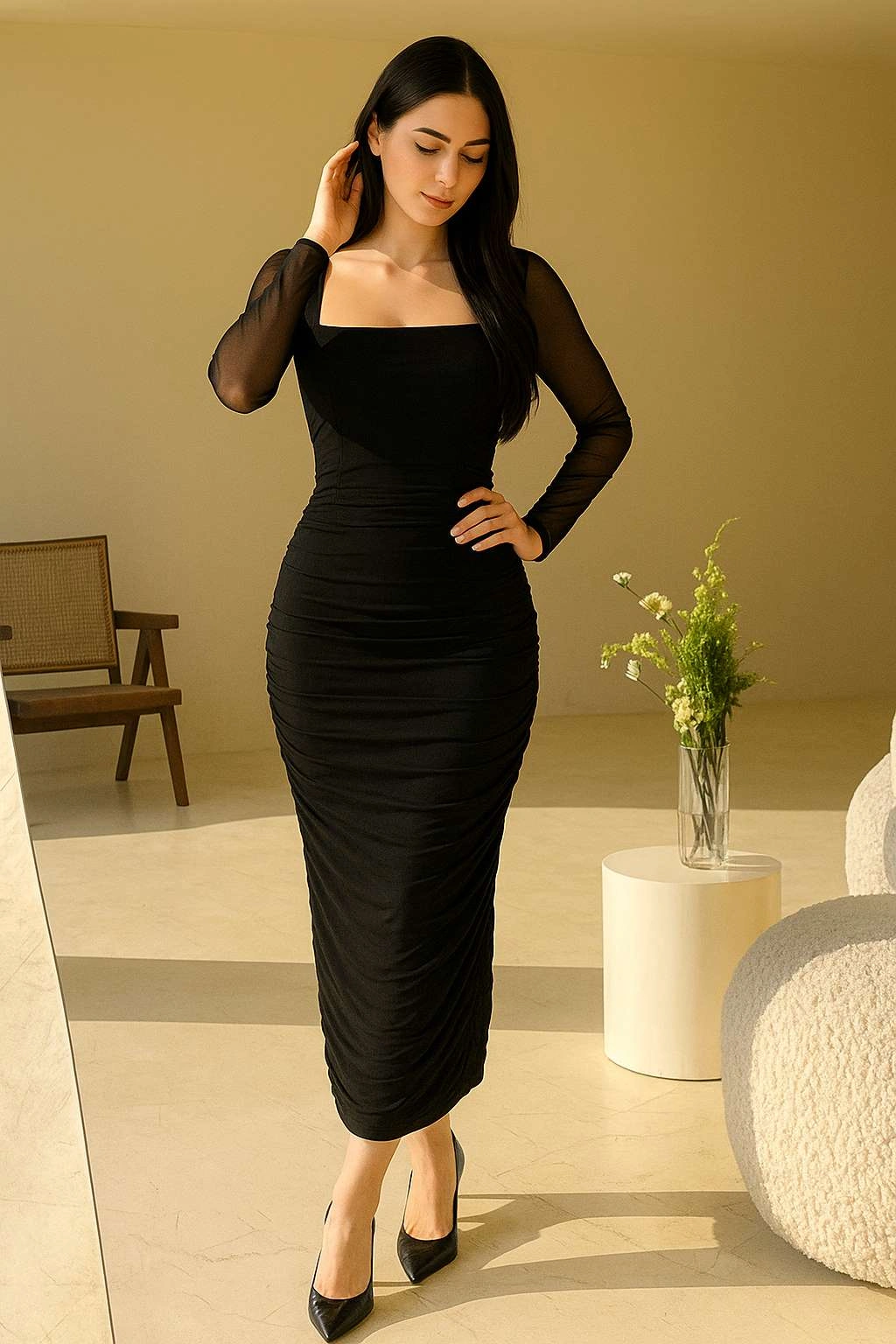
Sheer Sleeves Formal Black Bodycon Dress Trendy Women's Fashion At ...
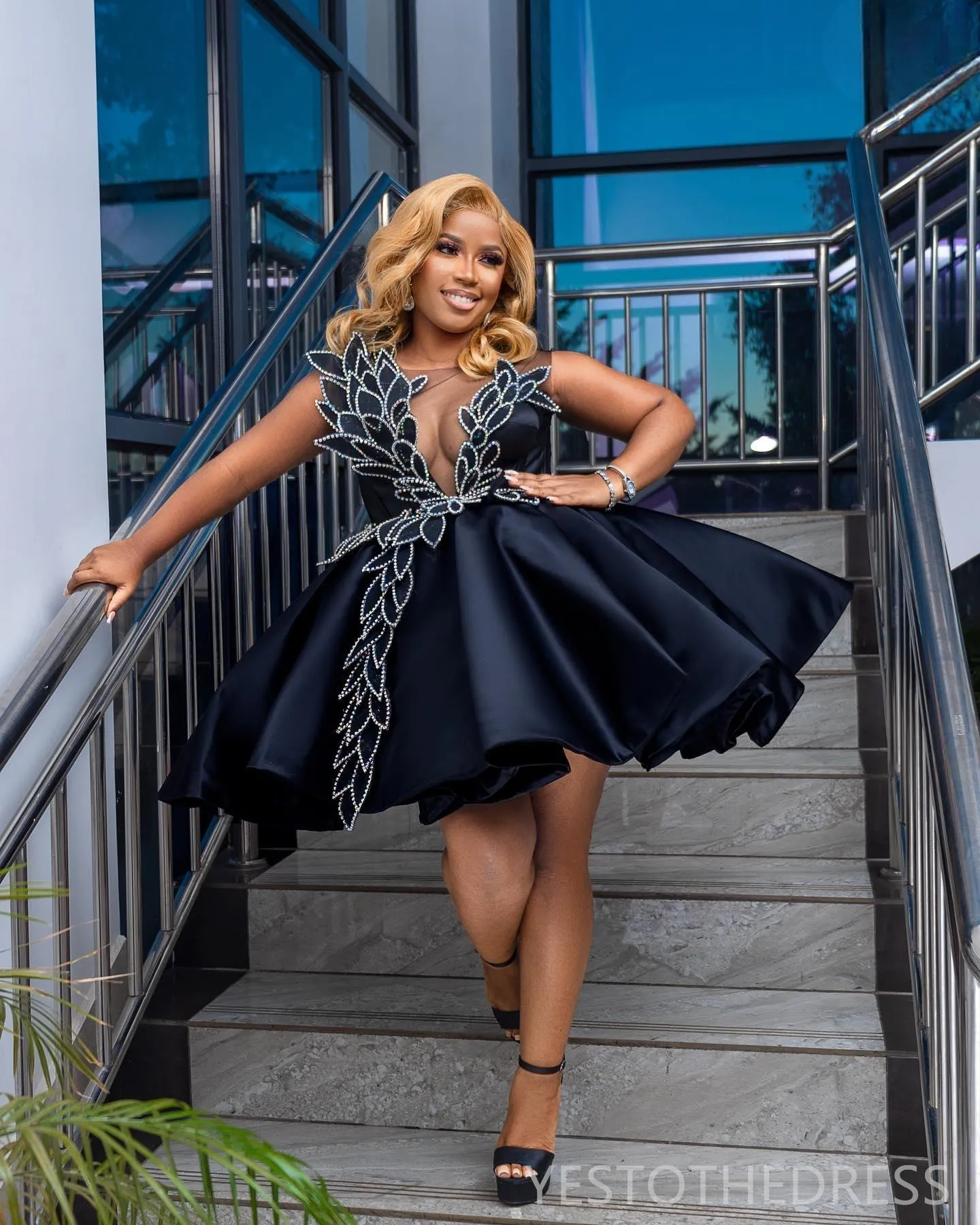
Plus Size Black Cocktail Dresses: Sexy Short Mini Satin Party
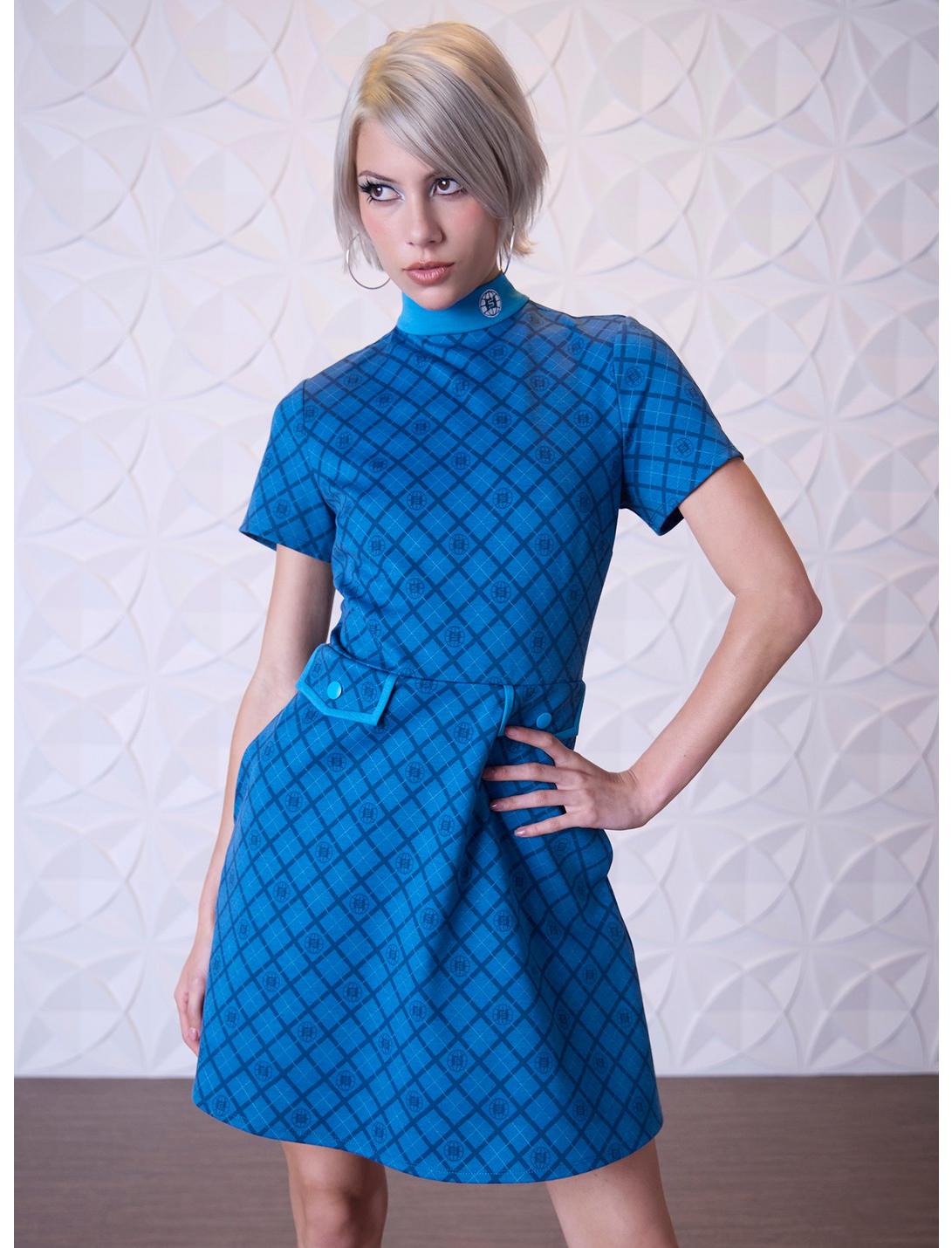
Her Universe Marvel The Fantastic Four: First Steps Logo Retro ...
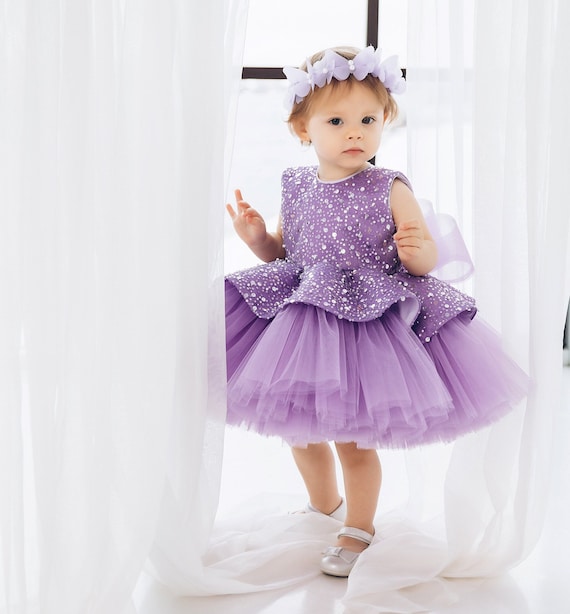
Lilac Purple First Birthday Dress, Sparkling Baby Dress, Sequined ...
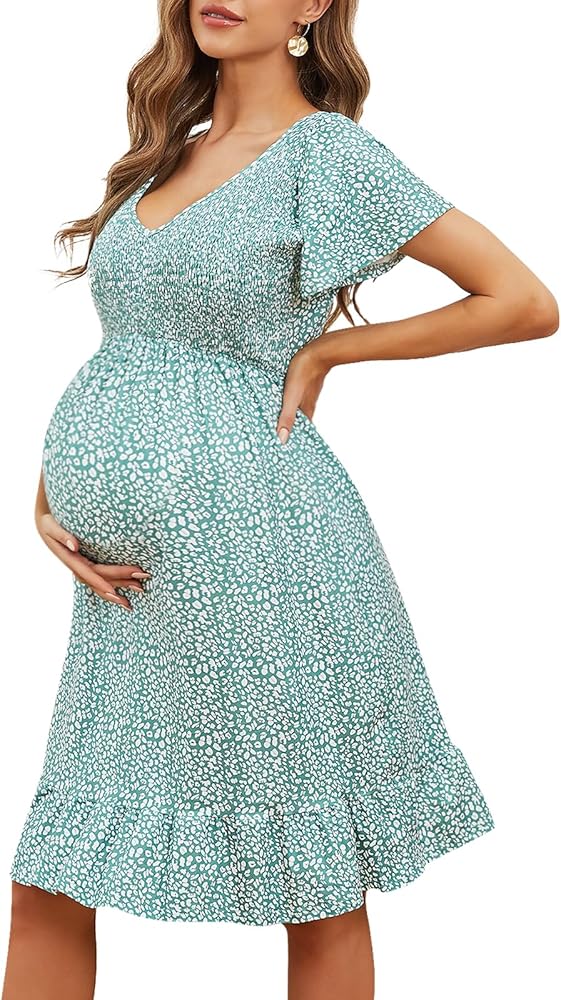
Adorel Maternity Dress Midi Ruffle V-Neck Flowy Smocked Empire ...
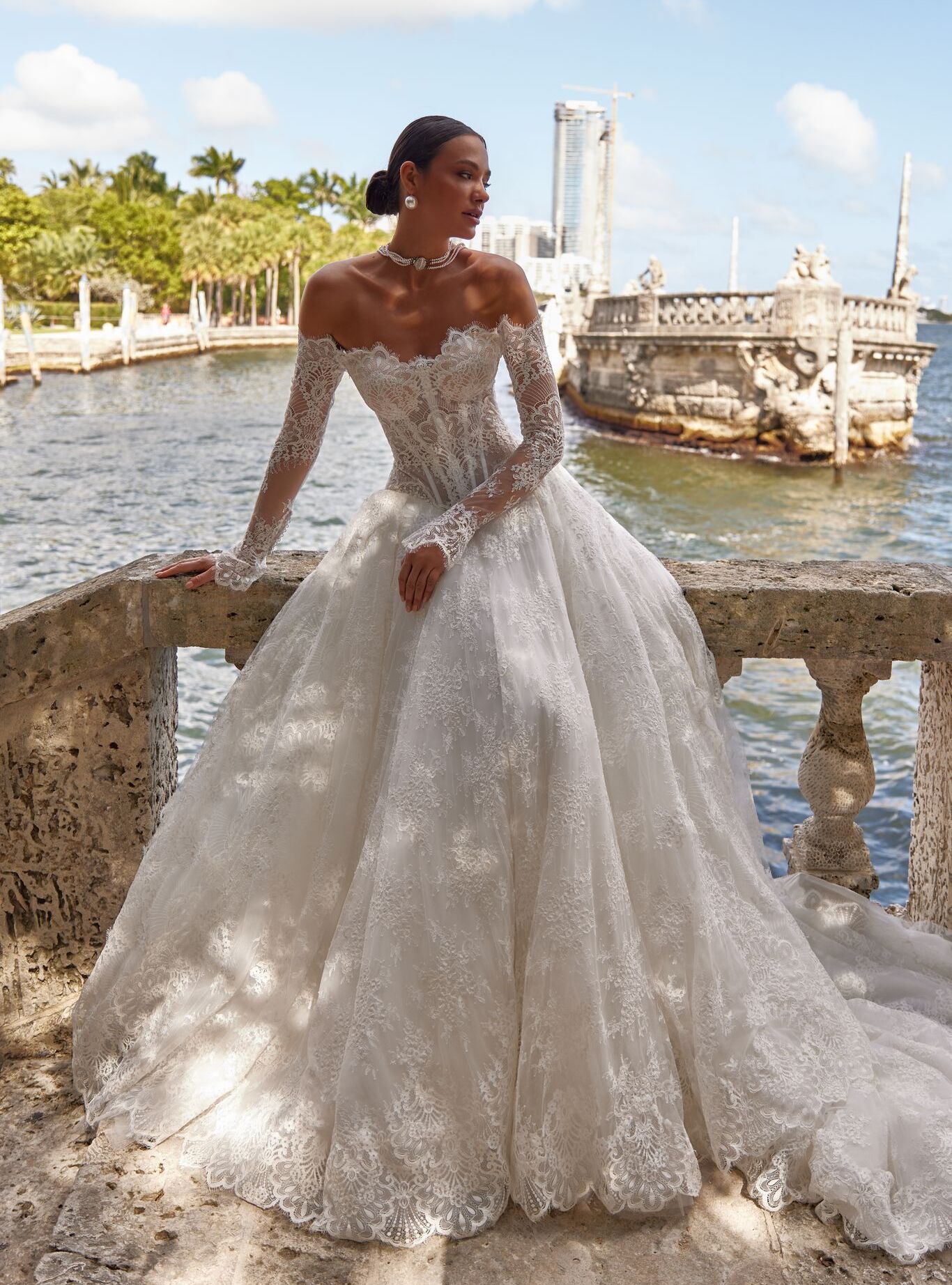
Wedding Dresses, buy Bridal Gowns 2025 by OKSANA MUKHA
![Embellished-Bodice Short Homecoming Dress - PromGirl [google]](admin/resimler/embellished-bodice-short-homecoming-dress-promgirl-google_1764149772.jpg)
Embellished-Bodice Short Homecoming Dress - PromGirl [google]

From the Runway to Your Fingertips! There's something about ...
![Hibiscus Paradise Smocked Tube Hawaiian Dress in Red – Paradise ... [google]](admin/resimler/hibiscus-paradise-smocked-tube-hawaiian-dress-in-red-paradise-google_1764149760.png)
Hibiscus Paradise Smocked Tube Hawaiian Dress in Red – Paradise ... [google]


Yorumlar