
![A 1920s style couple in a vintage room with money falling around them, symbolizing prosperity and luxury. [pexels]](admin/resimler/a-1920s-style-couple-in-a-vintage-room-with-money-falling-around-them-symbolizing-prosperity-and-luxury-pexels_1761593033.jpeg)
Step back in time to an era of unparalleled glamour and booming prosperity, where jazz notes filled the air and fortunes were made overnight. Imagine a scene perfectly encapsulating the spirit of the Roaring Twenties: a sophisticated couple, impeccably dressed in the fashion of the day, ensconced within a lavishly appointed vintage room. But this is no ordinary tableau; around them, a dizzying flurry of crisp banknotes descends like golden rain, an overt and joyful declaration of their immense wealth and luxurious lifestyle. This vivid image, straight out of a dream from the Jazz Age, speaks volumes about the allure of an age defined by its opulence and the pursuit of grand living.
The couple themselves are a masterclass in period elegance. The woman, perhaps in a shimmering, beaded flapper dress, her hair styled in a chic bob beneath a cloche hat, adorned with long pearl necklaces that swing with every graceful movement. Her partner, a picture of dapper sophistication, might wear a perfectly tailored three-piece suit, a fedora tilted just so, exuding an air of effortless charm and undeniable success. The room itself is a character in this narrative of luxury: rich, dark wood furniture, velvet upholstery, intricate Art Deco patterns gracing the walls, and soft, ambient lighting casting a warm glow. A grand gramophone in the corner, perhaps, or a crystal decanter sparkling on a polished side table, all contributing to an atmosphere of refined taste and historical authenticity. Every detail, from their polished shoes to the ornate rug beneath their feet, screams exclusivity and a life lived without want.
The most striking element of this scene is undoubtedly the money. Not just a few scattered bills, but a veritable downpour, a blizzard of banknotes swirling around them. This isn't just about having money; it's about an overflow, an abundance so profound it transcends mere practicality and becomes a performance. Each falling bill, perhaps crisp and newly printed, symbolizes the unprecedented economic boom of the decade, a time when fortunes were amassed with dizzying speed. It represents not just personal wealth, but the very essence of the era's economic exuberance and the seemingly endless opportunities available to those who knew how to seize them. The couple's serene or perhaps playfully amused expressions amidst this financial cascade further emphasize their comfort with such extravagance, suggesting that this level of prosperity is simply their natural state of being.
This lavish display of wealth is more than just an accumulation of assets; it's a testament to a particular kind of lifestyle. The money falling around them isn't merely currency; it’s a symbol of freedom, influence, and access to the very best that life could offer in the 1920s. It speaks of grand parties hosted in sprawling mansions, transatlantic voyages on luxury liners, evenings spent at exclusive jazz clubs, and days filled with leisurely pursuits. Their prosperity affords them not just material possessions, but experiences, status, and the ability to live life on their own terms, unburdened by financial constraints. This scene captures the aspirational dream of the Jazz Age, where success was celebrated openly, and the pursuit of pleasure and beauty was considered a virtue, creating a vibrant, albeit fleeting, golden age of indulgence.
In conclusion, the image of a 1920s style couple surrounded by falling money in a vintage room is a potent visual metaphor for the Roaring Twenties. It perfectly encapsulates the era's unique blend of sophisticated style, economic boom, and an almost audacious display of luxury. More than just a snapshot of wealth, it tells a story of an aspirational lifestyle, a celebration of success, and the intoxicating allure of a decade that dared to dream big and live even bigger. It remains a timeless emblem of prosperity, an enduring reminder of a period when the pursuit of the good life was an art form in itself.
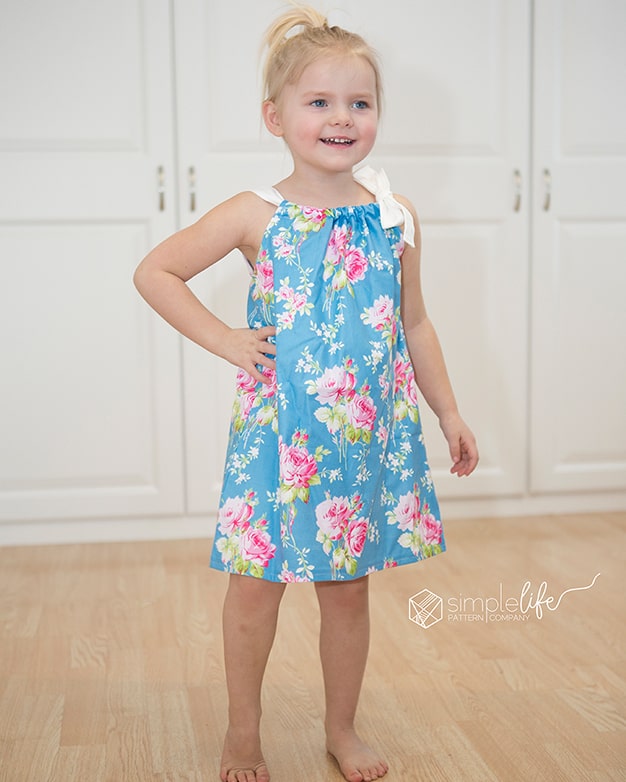
FREE Haiti's Pillowcase Dress. PDF sewing pattern for girls size ...
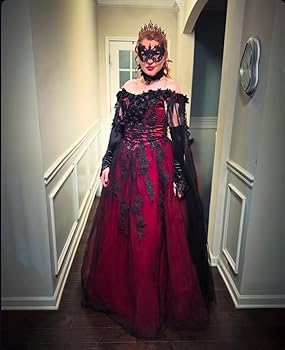
Amazon.com: LEJY Women's Off Shoulder Quinceanera Dresses ...
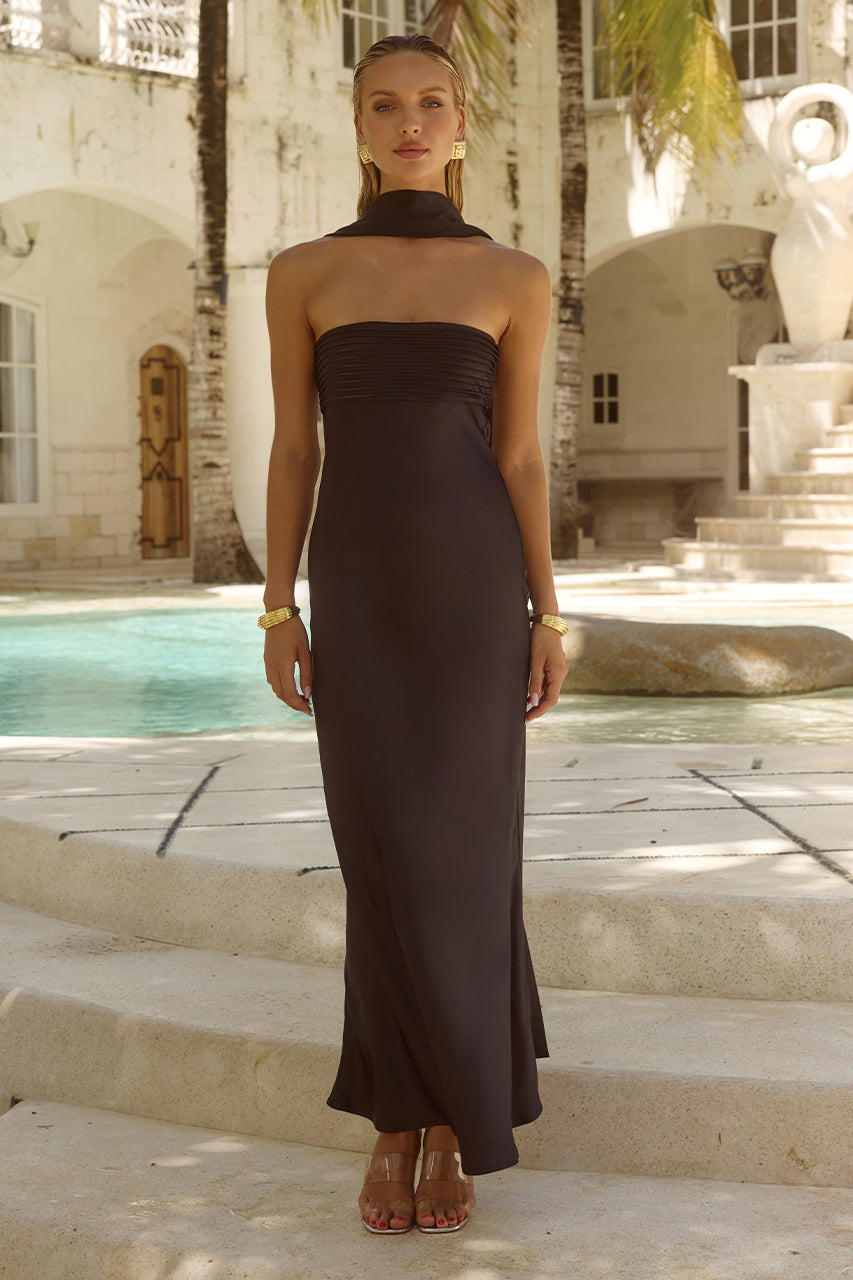
Makale description: Gemma Maxi Dress in Green Floral | Veronica Beard
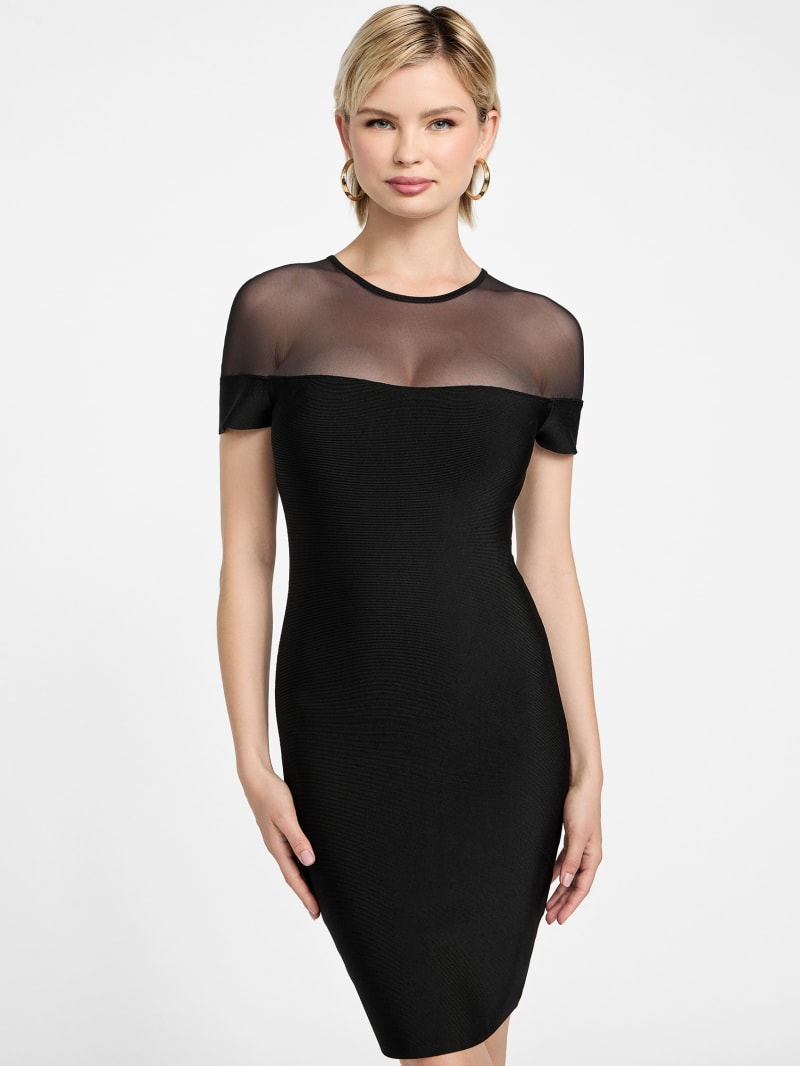
MARCIANO by GUESS® Trina Bandage Dress
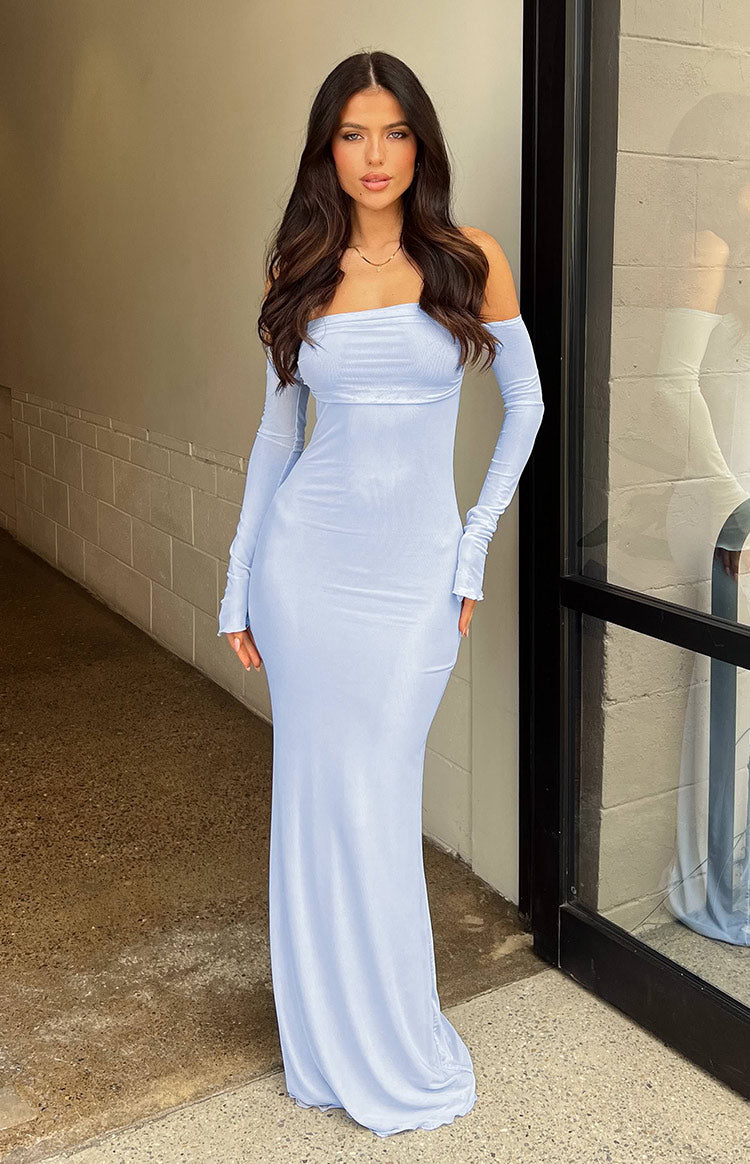
Odette Lilac Long Sleeve Formal Maxi Dress | Beginning Boutique US
![Shop the Leading Role Diamante Strap Halter Dress Black [google]](admin/resimler/shop-the-leading-role-diamante-strap-halter-dress-black-google_1764149767.jpg)
Shop the Leading Role Diamante Strap Halter Dress Black [google]
![dress tops Black Friday Buy Now [google]](admin/resimler/dress-tops-black-friday-buy-now-google_1764149753.jpg)
dress tops Black Friday Buy Now [google]
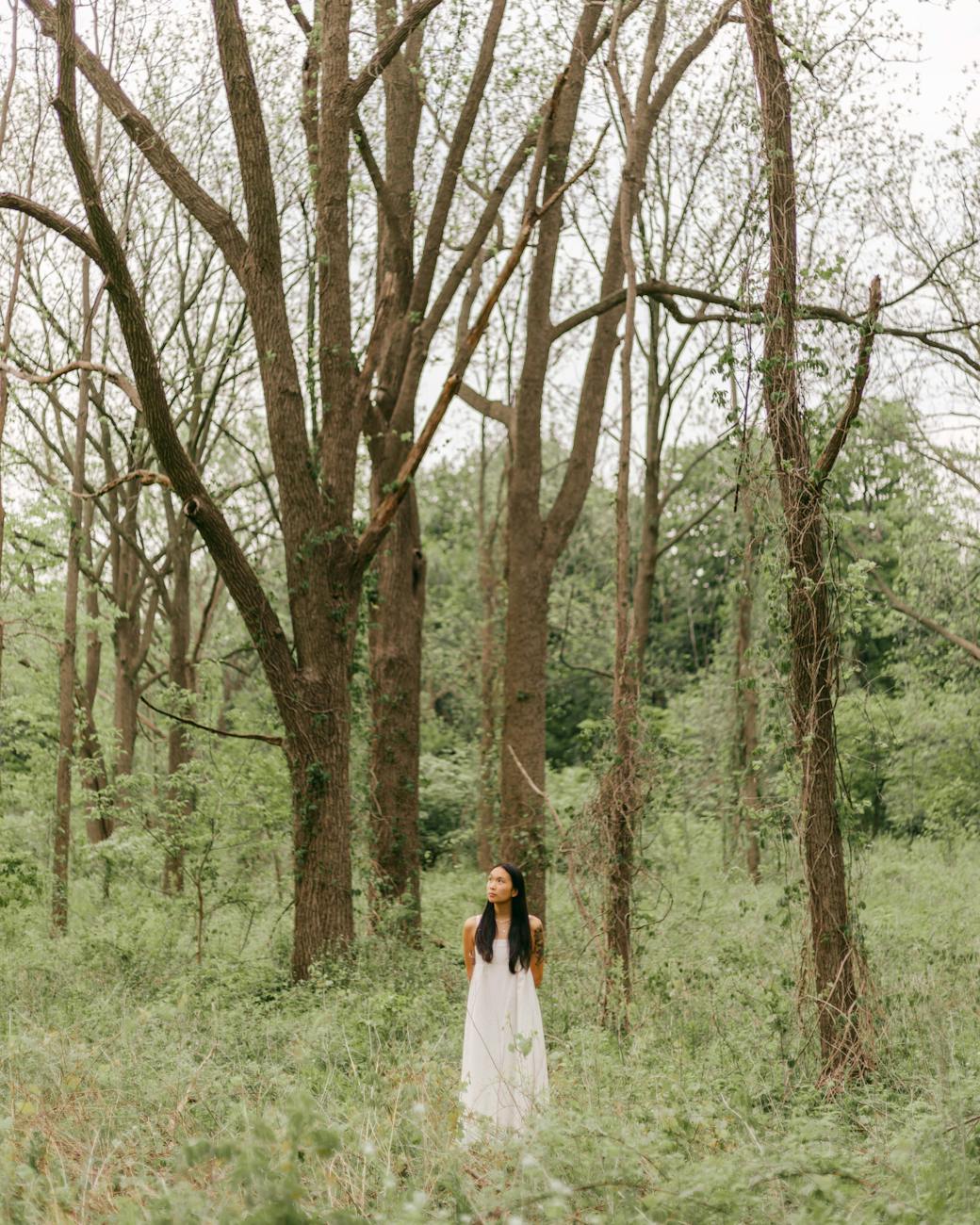
A serene scene of a woman in a white dress standing in a lush forest in Toronto. Perfect for nature and fashion themes.
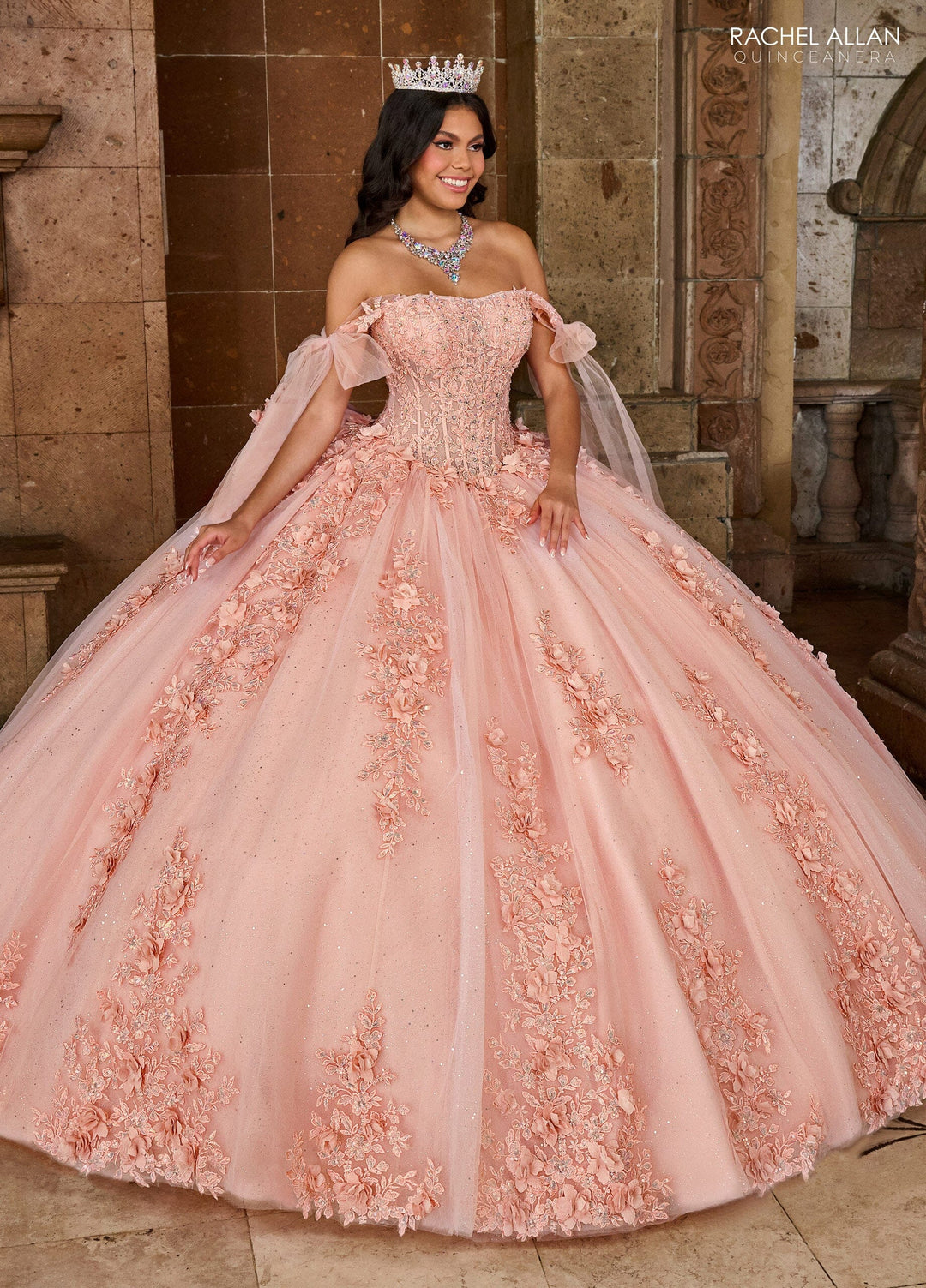
Applique Sheer Corset Quinceanera Dress by Rachel Allan RQ1132 ...
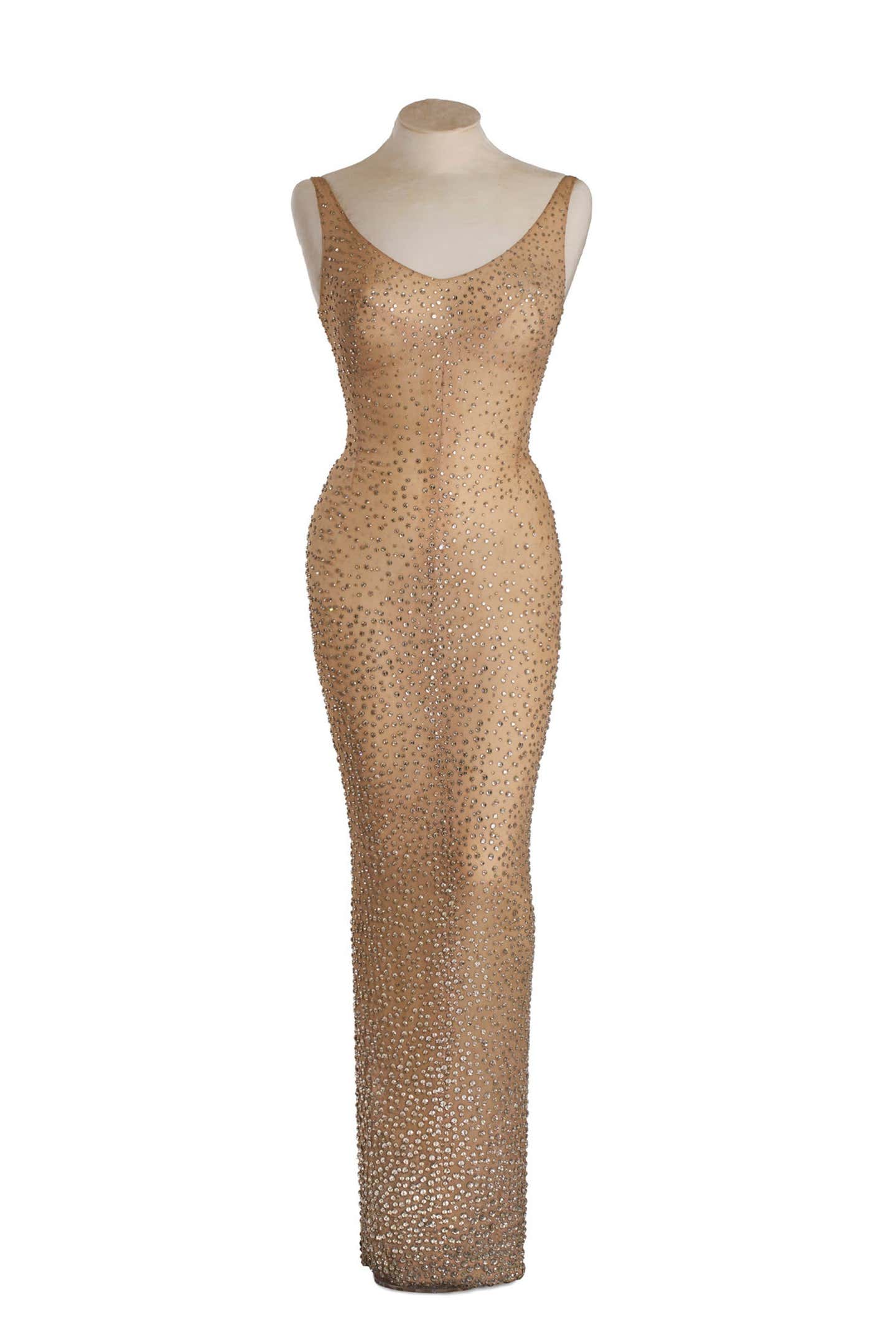
Marilyn Monroe's Iconic "Happy Birthday" Dress - Antique Trader


Yorumlar