
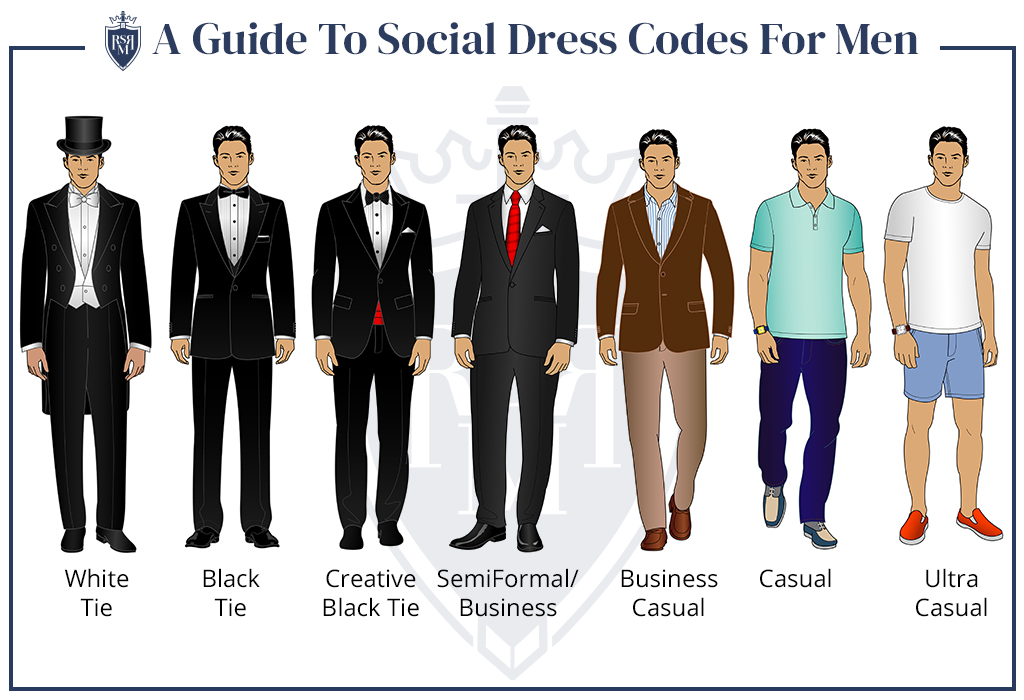
Understanding men's dress codes is not merely about fashion; it's about showing respect for an occasion, its hosts, and even yourself. In a world where social and professional events vary widely, knowing how to dress appropriately can significantly boost your confidence and leave a lasting positive impression. This guide will demystify three primary categories: Business, Formal, and Optional, equipping you with the knowledge to navigate any invitation with sartorial ease.
The business dress code primarily encompasses two common styles: Business Professional and Business Casual. Business Professional demands a conservative approach, typically involving a dark suit (navy or charcoal), a collared dress shirt, a tie, and polished dress shoes. This attire is essential for interviews, corporate boardrooms, and formal business meetings, projecting authority and seriousness. Accessories should be minimal and understated.
Business Casual offers more flexibility while maintaining a polished look. This often means a blazer or sport coat paired with dress trousers or chinos, a collared shirt (which may be open-necked), and loafers or smart dress shoes. Ties are usually optional. This code is common for daily office wear, less formal client meetings, or business lunches, striking a balance between professionalism and comfort. Always ensure clothes are well-fitted and impeccably clean.
Formal attire is reserved for the most distinguished events, signifying elegance and adherence to tradition. The most frequently encountered is Black Tie, which requires a tuxedo (a black or midnight blue dinner jacket and matching trousers), a white pleated dress shirt, a black bow tie, a cummerbund or waistcoat, and patent leather dress shoes. This is the standard for galas, formal weddings, and evening events of high prestige, demanding precision in every detail.
Even more stringent, though less common today, is White Tie. This is the pinnacle of men's formalwear, calling for a black tailcoat, white pique vest, white wing-collared shirt, a white bow tie, and patent leather dress shoes. White Tie events are typically state dinners, royal occasions, or extremely traditional balls, where strict adherence to protocol is paramount. When invited to a formal event, always confirm the specific level of formality if unsure.
The "Optional" dress code, or variations like "Cocktail Attire" and "Smart Casual," often presents the most confusion due to its interpretive nature. Cocktail Attire generally implies a dark suit, a dress shirt, and a tie (often optional but recommended), paired with dress shoes. It's a step up from business casual but less formal than black tie, allowing for a touch more personality or contemporary style. This is ideal for evening parties, semi-formal receptions, and celebrations where elegance meets conviviality.
Smart Casual is perhaps the broadest category, signifying a polished yet relaxed look. Think well-fitting dark jeans or chinos, a collared shirt (polo or button-down), knitwear, and stylish shoes such as loafers, clean sneakers, or desert boots. A sport coat or blazer can elevate this look. The key is to appear put-together and thoughtful, avoiding anything overly casual like t-shirts, shorts, or athletic wear. When in doubt, it's always safer to be slightly overdressed than underdressed for an "optional" event.
Mastering men's dress codes empowers you to approach any social or professional engagement with confidence and poise. By understanding the nuances of Business, Formal, and Optional attire, you not only project a refined image but also demonstrate respect for the occasion and those around you. Invest in versatile pieces, pay attention to fit and grooming, and you will always be impeccably dressed for success.
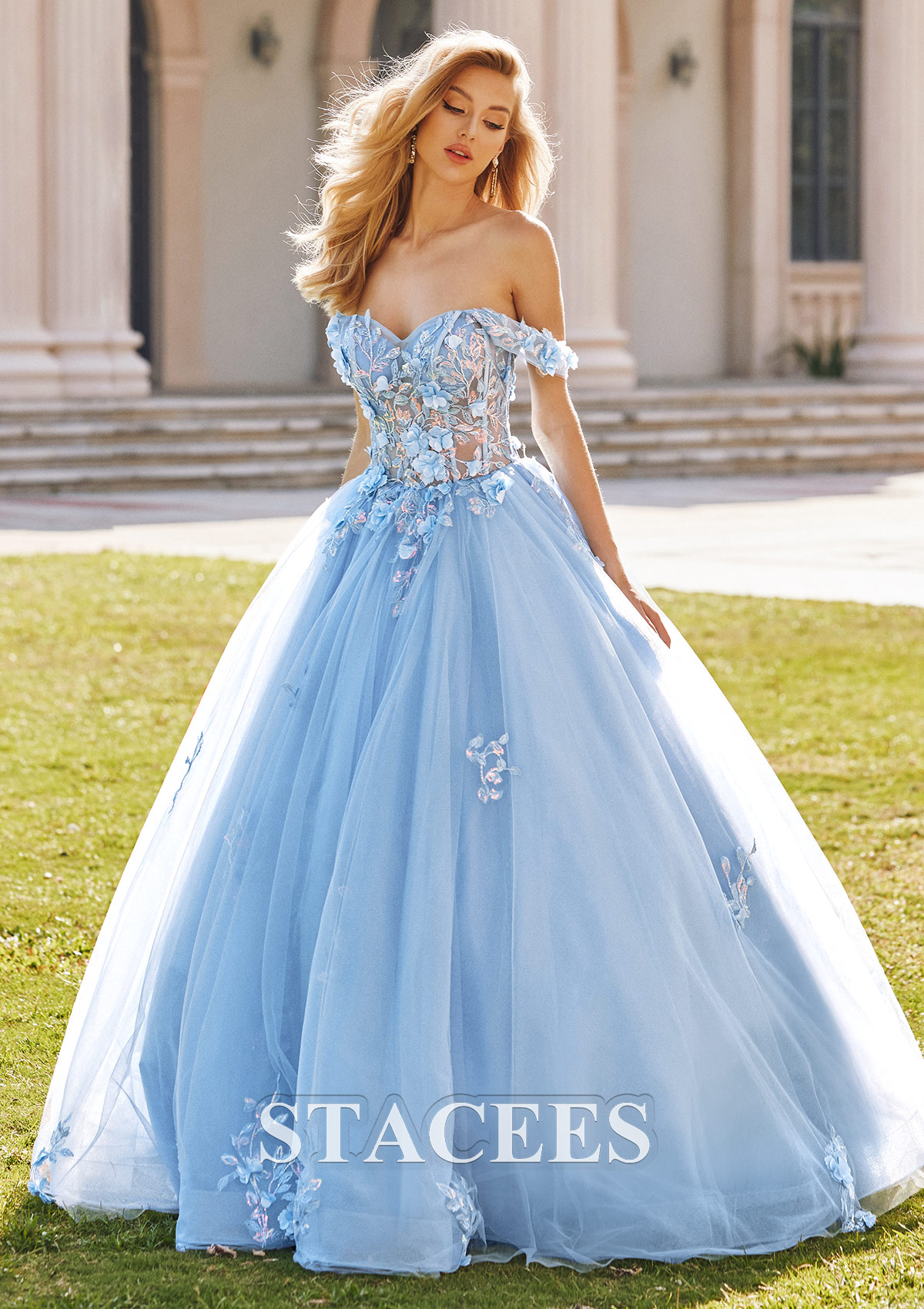
Ball Gown Off-the-Shoulder Long-Length Tulle Prom Dress with ...
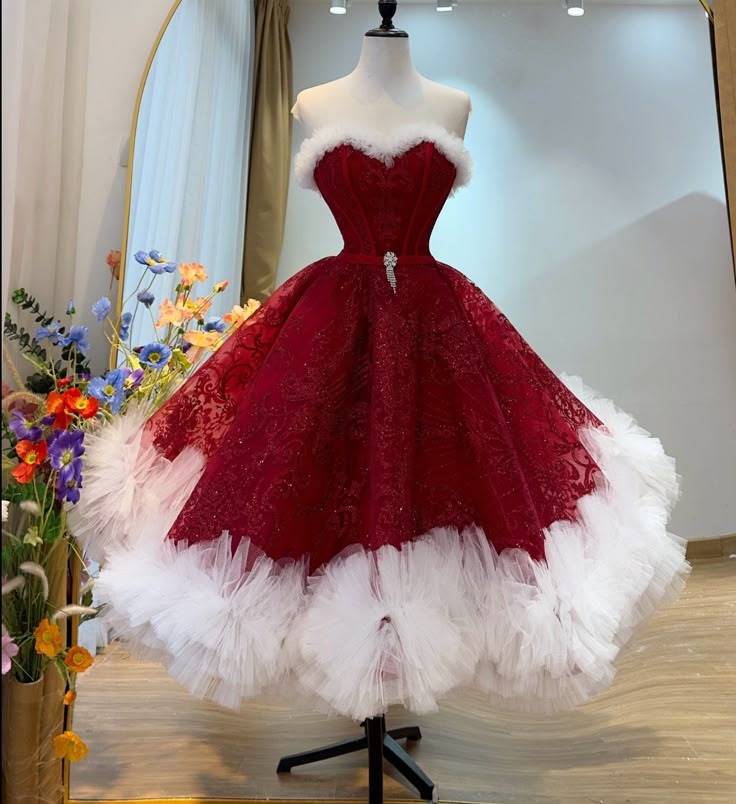
Christmas dress
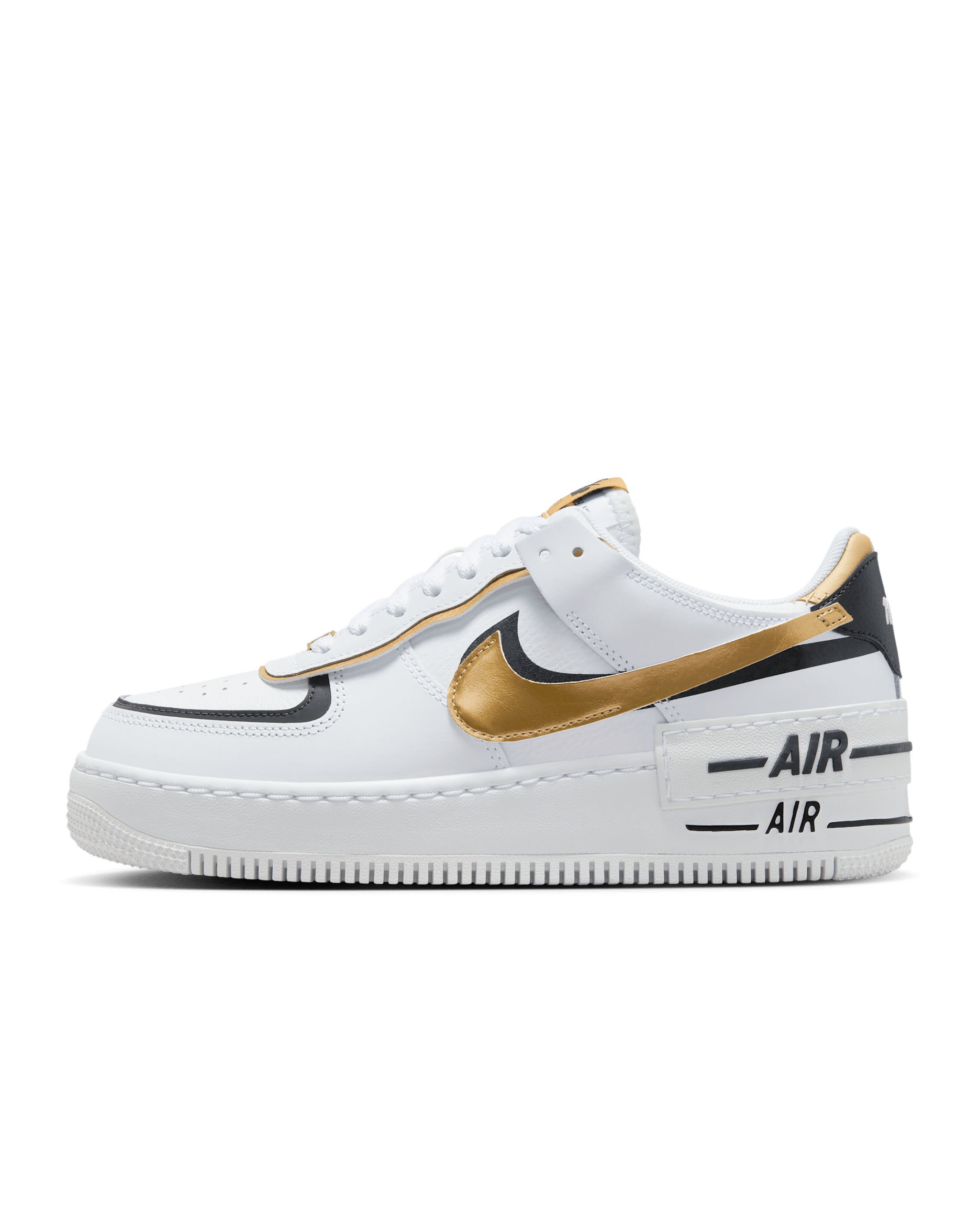
Nike Air Force 1 Shadow Women's Shoes. Nike.com
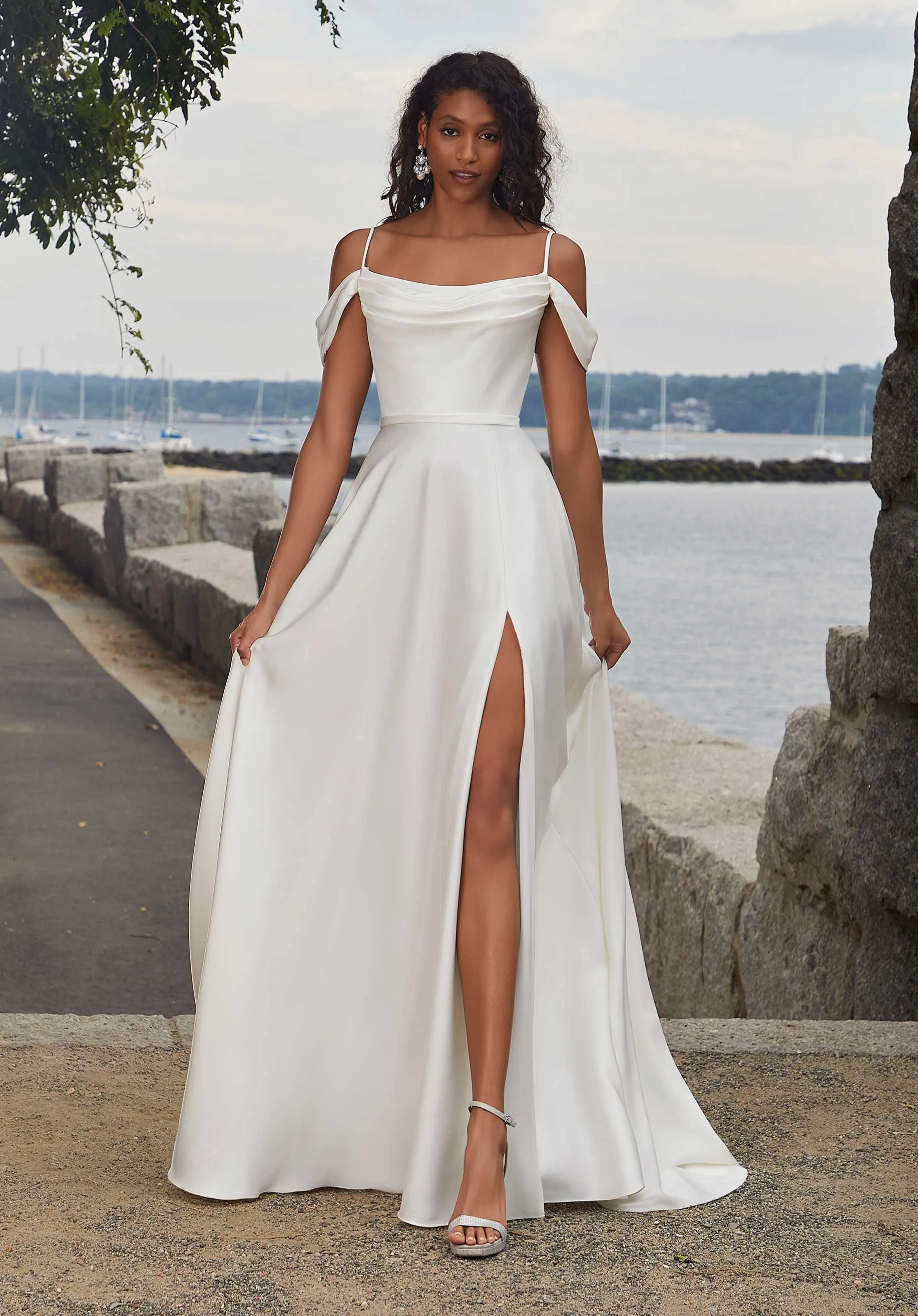
The Other White Dress by Morilee - 12620 | Ever After Bridal
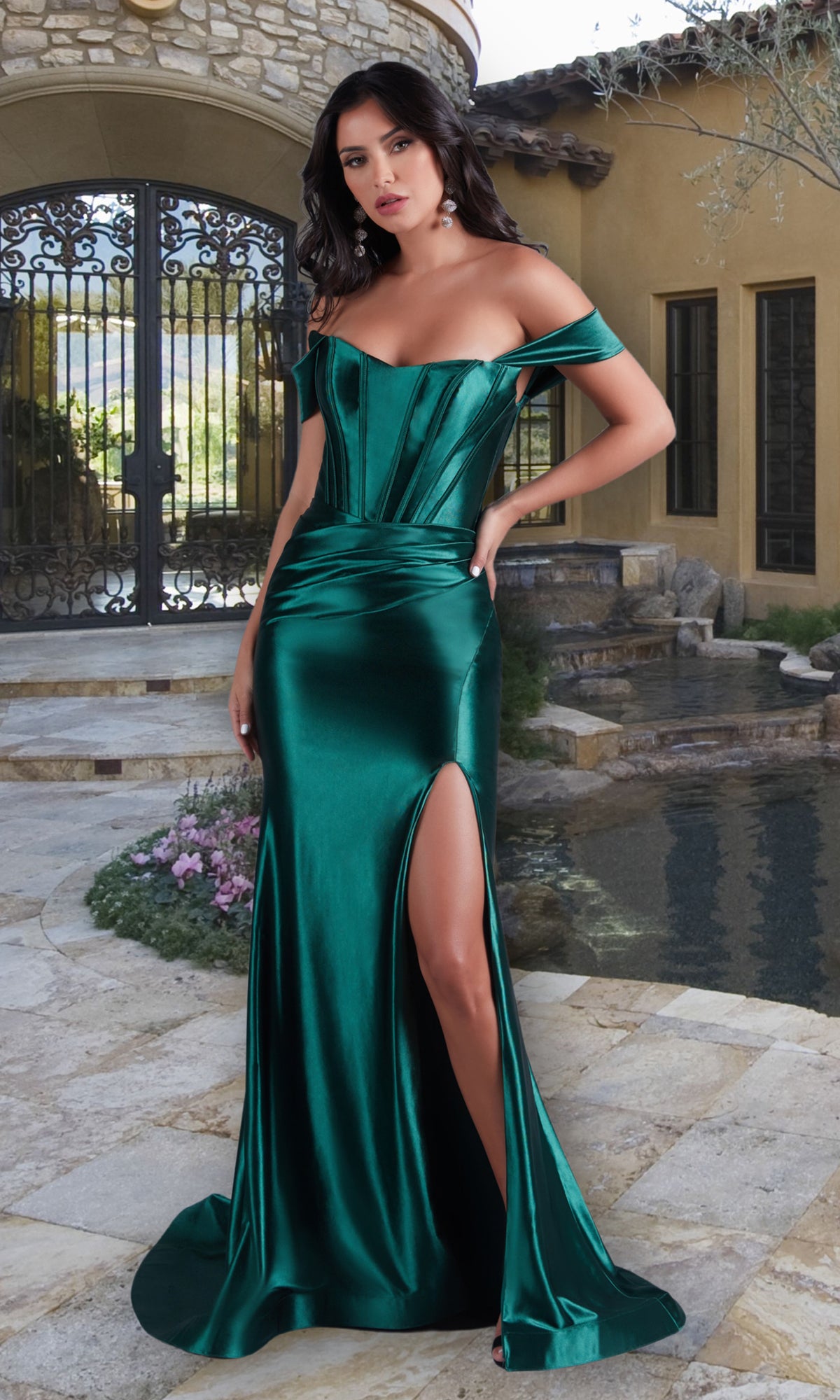
Emerald Green Long Corset-Style Prom Dress - PromGirl
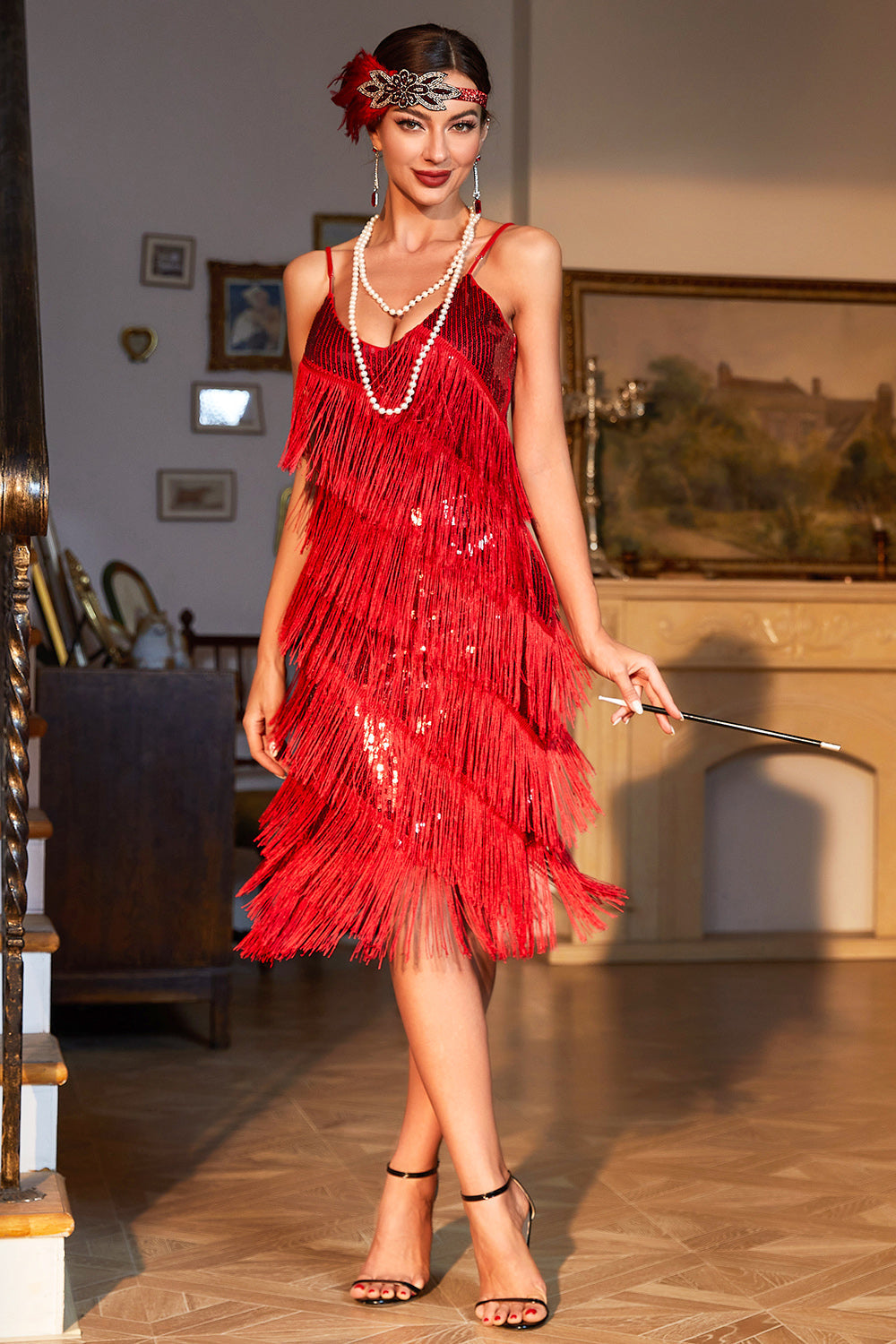
Fringe Flapper 20s Flapper Girl Costume Red Roaring 20s Gatsby ...
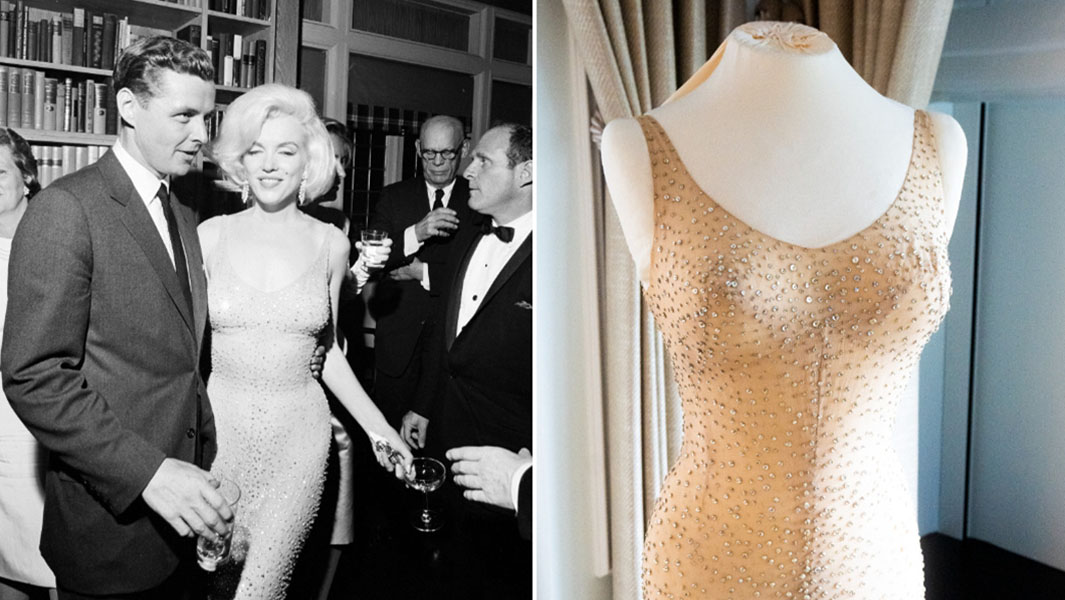
Happy Birthday Mr President: A closer look at Marilyn Monroe's
![A woman in a hat sits on a rocky beach in summer, enjoying the sea view. [pexels]](admin/resimler/a-woman-in-a-hat-sits-on-a-rocky-beach-in-summer-enjoying-the-sea-view-pexels_1761593036.jpeg)
A woman in a hat sits on a rocky beach in summer, enjoying the sea view. [pexels]
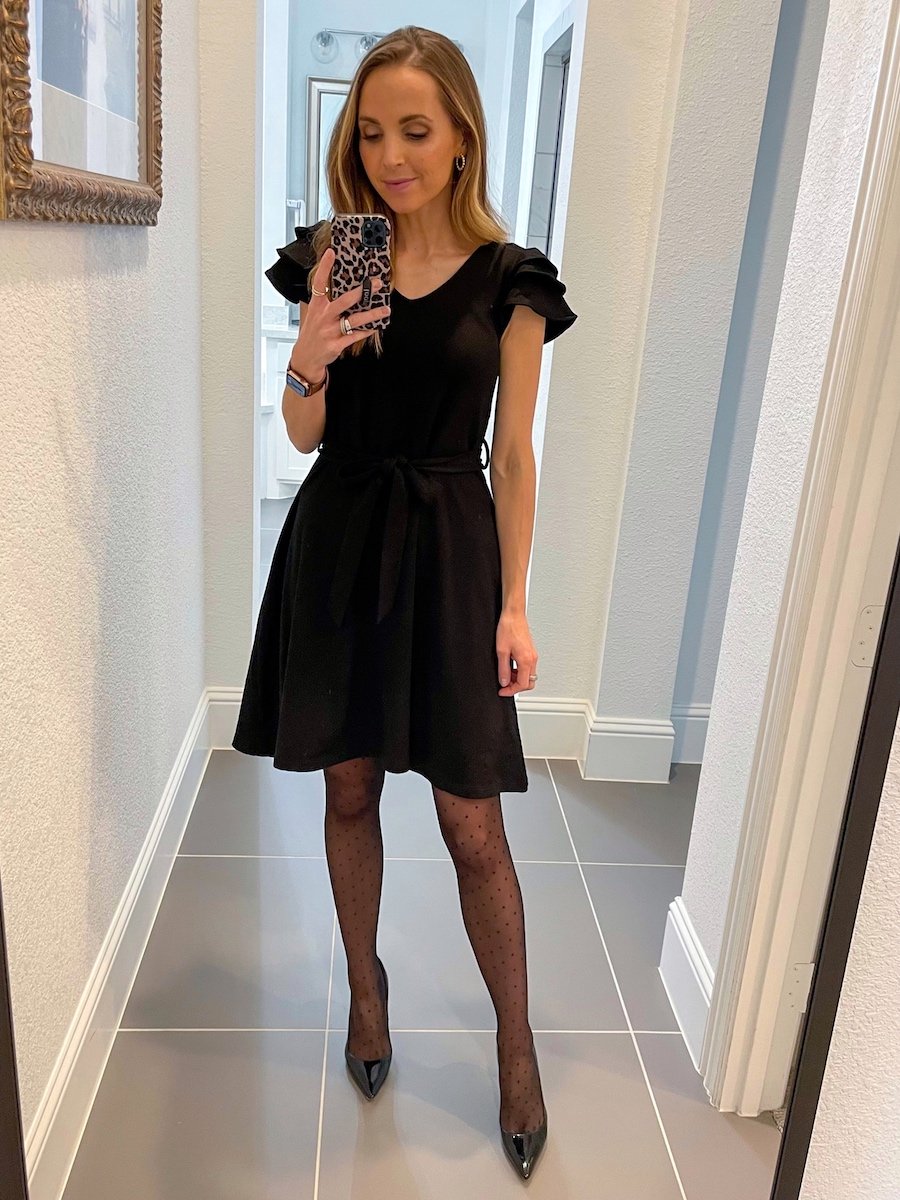
Wear Tights Dress With Opaque Tights Black Dress What Colour ...
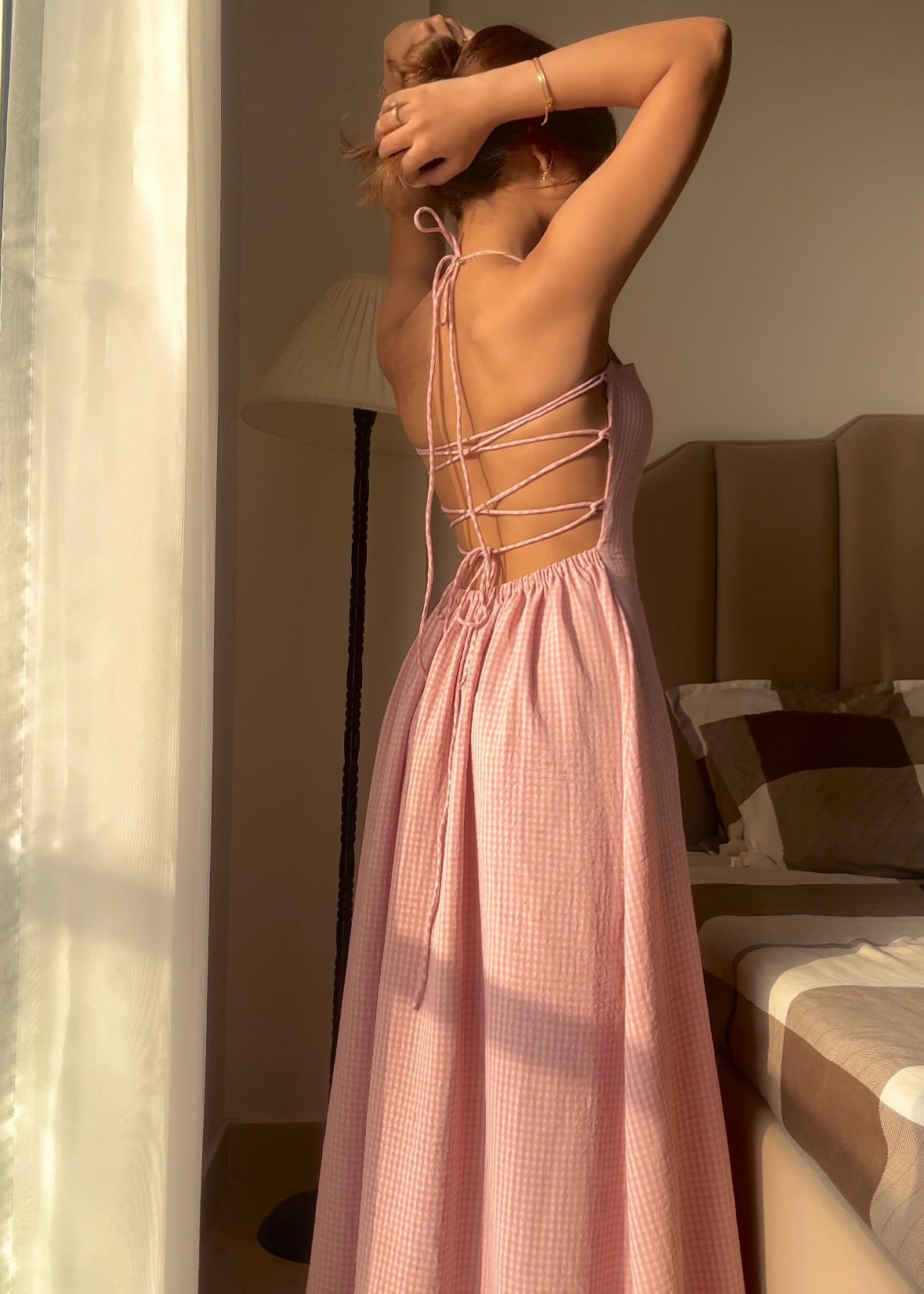
## The Cottage Backless Dress by diamondlady: Effortless Elegance for the Modern Romantic In an era where comfort seamlessly blends with captivating style, the "Cottage Backless Dress" by diamondlady emerges as a quintessential piece for the contemporary wardrobe. This garment perfectly encapsulates the serene charm of cottagecore aesthetics while offering a sophisticated, modern silhouette. Designed for those who appreciate both delicate beauty and understated allure, this dress promises to be a versatile and beloved addition, ready to elevate any occasion with its unique blend of grace and freedom. ### Embracing the Cottagecore Aesthetic The essence of cottagecore fashion lies in its romantic, nostalgic appeal, drawing inspiration from pastoral idyllic life and vintage sensibilities. The **diamondlady Cottage Backless Dress** beautifully embodies this trend with its flowing lines, soft fabrication, and an overall sense of relaxed elegance. Imagine sun-drenched meadows and gentle breezes – this dress evokes that very feeling. Its design prioritizes natural movement and a comfortable fit, allowing wearers to feel effortlessly chic whether strolling through a farmer's market or enjoying a leisurely afternoon tea. It's more than just a dress; it's an invitation to embrace a lifestyle of simple beauty and connection to nature. ### The Allure of the Backless Design What truly sets this dress apart is its captivating backless feature. Far from being overtly revealing, the carefully crafted open back of the **Cottage Backless Dress** offers a sophisticated hint of skin, exuding confidence and subtle sensuality. This design element provides an unexpected twist to an otherwise demure silhouette, transforming it into a statement piece. The backless cut is thoughtfully designed to remain secure and comfortable, allowing for freedom of movement without compromise. It’s an ideal choice for those seeking to make an elegant impression, showcasing a graceful line from the shoulders to the lower back, perfectly framed by the dress's soft fabric. ### Versatility for Every Occasion One of the most appealing aspects of the **diamondlady Cottage Backless Dress** is its remarkable versatility. Its adaptable style makes it suitable for a multitude of settings, effortlessly transitioning from casual daytime wear to more refined evening events. Pair it with flat sandals, a straw hat, and a tote bag for a charming summer brunch or a relaxed beach outing. For an evening affair, elevate the look with delicate heels, statement jewelry, and a clutch, allowing the backless design to truly shine. Whether you're attending a garden party, enjoying a vacation, or simply seeking a comfortable yet stylish everyday option, this dress proves to be an indispensable choice. The "Cottage Backless Dress" by diamondlady is more than just a fashion item; it's a celebration of feminine grace, comfort, and timeless style. With its perfect blend of cottagecore charm and modern allure, this backless beauty offers an unparalleled opportunity to express your unique fashion sensibilities. Discover the effortless elegance and versatile charm that awaits.


Yorumlar