
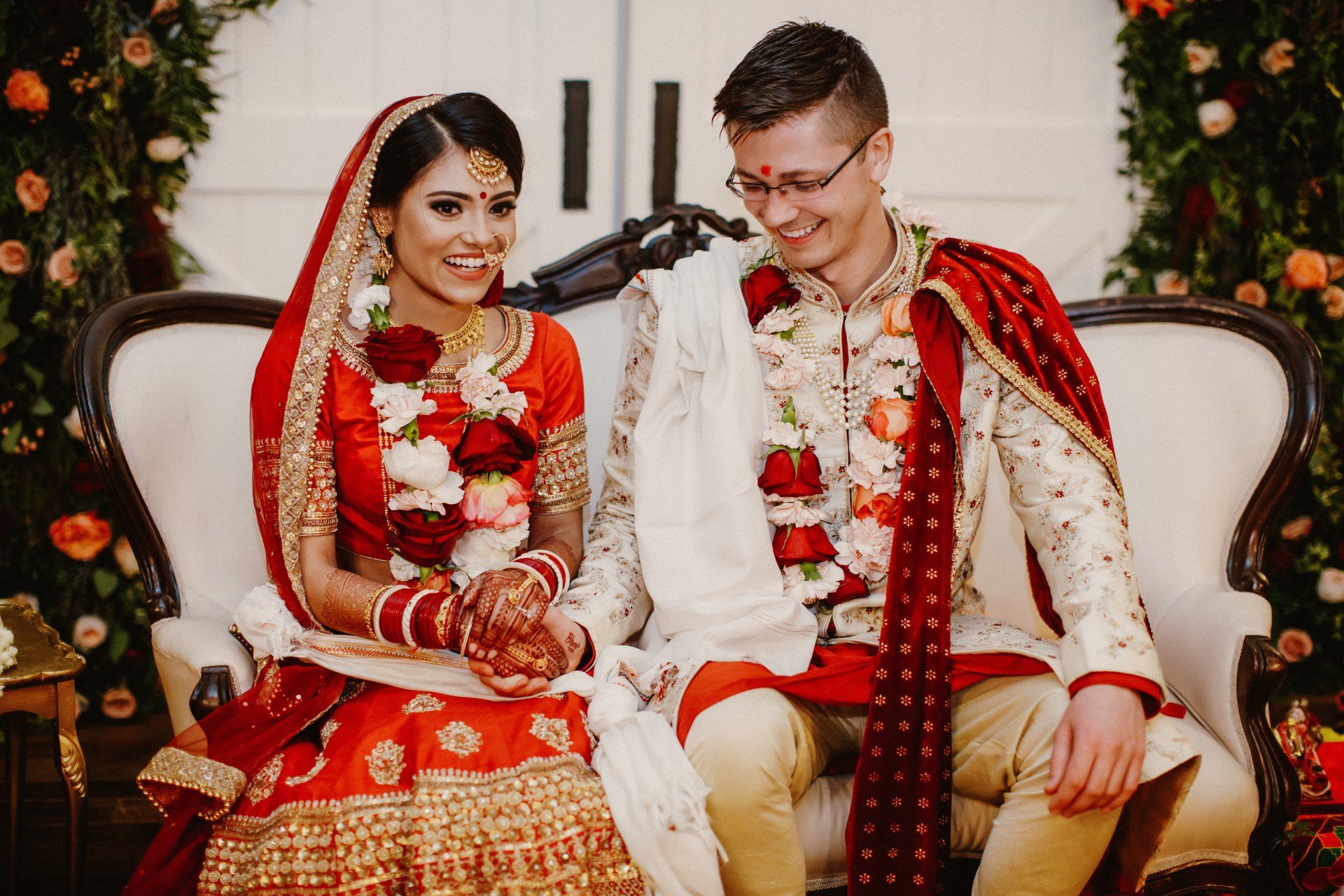
Traditional Hindu weddings are vibrant celebrations, rich in cultural rituals, symbolism, and breathtaking aesthetics. Central to this visual splendor is the intricate and deeply symbolic attire worn by the bride and groom. Far more than mere clothing, these garments are steeped in tradition, representing prosperity, auspiciousness, and the sacred union of two souls. Each thread, color, and embellishment tells a story of heritage, family values, and the blessings invoked for the couple's new journey together, making the selection of wedding attire a significant and cherished part of the preparations.
For the Hindu bride, her wedding attire is a masterpiece of elegance and tradition, most commonly a resplendent lehenga choli or a graceful saree. Red, maroon, and crimson hues are predominantly favored, symbolizing love, prosperity, fertility, and new beginnings. These garments are often crafted from luxurious fabrics like silk, georgette, or velvet, and are intricately adorned with elaborate embroidery such as Zari, Zardozi, Gota Patti, or Kundan work, often embellished with sequins, beads, and precious stones. The attire is complemented by a matching dupatta, draped elegantly over the head as a symbol of modesty and reverence. Beyond the main outfit, the bride’s ensemble is completed with exquisite gold jewelry, including a necklace, earrings, bangles (chura), and a maang tikka, alongside the artistic application of mehndi on her hands and feet, adding to her radiant bridal glow.
The Hindu groom's attire, while perhaps less ornate than the bride's, exudes its own distinct charm and regal presence, reflecting his cultural heritage. A popular choice is the Sherwani, a long, fitted coat often paired with churidar pajamas or a dhoti. Colors typically range from classic ivory, cream, and gold to sophisticated pastels, sometimes featuring rich maroon or deep blue accents. Fabrics like raw silk, brocade, or velvet are common, often with subtle embroidery that may complement the bride's outfit. The groom's look is often elevated by a traditional turban (pagri or safa), sometimes adorned with a kalgi (brooch), and a pearl necklace or a layered mala. Traditional footwear, such as embellished mojris or juttis, completes his ensemble. In some traditions, a ceremonial sword or kirpan is also carried, symbolizing honor and protection.
Hindu wedding attire showcases incredible regional diversity, reflecting the vast cultural tapestry of India. In North India, lehengas and sherwanis are prominent, while South Indian brides often wear exquisite Kanjeevaram silk sarees in vibrant colors, paired with gold temple jewelry. Bengali brides might favor elegant Benarasi sarees, and Maharashtrian brides don vibrant Nauvari sarees. While tradition remains paramount, modern interpretations have also emerged. Contemporary brides and grooms might opt for lighter fabrics, unconventional color palettes like pastels or metallics, or fusion designs that blend traditional silhouettes with modern aesthetics. Despite these evolving trends, the core essence of the attire—its symbolism and connection to ancestral customs—remains deeply cherished, ensuring each garment is a meaningful part of the sacred ceremony.
In conclusion, the traditional Hindu wedding attire for the bride and groom is a magnificent spectacle, embodying deep-rooted cultural values, spiritual significance, and artistic craftsmanship. Every element, from the vibrant colors and intricate embroidery to the symbolic jewelry, contributes to a narrative of love, commitment, and new beginnings. These garments are not merely clothes but cherished heirlooms and powerful symbols, transforming the couple into embodiments of divine beauty and grace as they embark on their marital journey, blessed by tradition and adorned with heritage.
![15 anos [pexels]](admin/resimler/15-anos-pexels_1761593036.jpeg)
15 anos [pexels]
![Embellished-Bodice Short Homecoming Dress - PromGirl [google]](admin/resimler/embellished-bodice-short-homecoming-dress-promgirl-google_1764149772.jpg)
Embellished-Bodice Short Homecoming Dress - PromGirl [google]
![Stylish woman in an evening dress posing by a decorative iron gate outdoors. [pexels]](admin/resimler/stylish-woman-in-an-evening-dress-posing-by-a-decorative-iron-gate-outdoors-pexels_1761593032.jpeg)
Stylish woman in an evening dress posing by a decorative iron gate outdoors. [pexels]
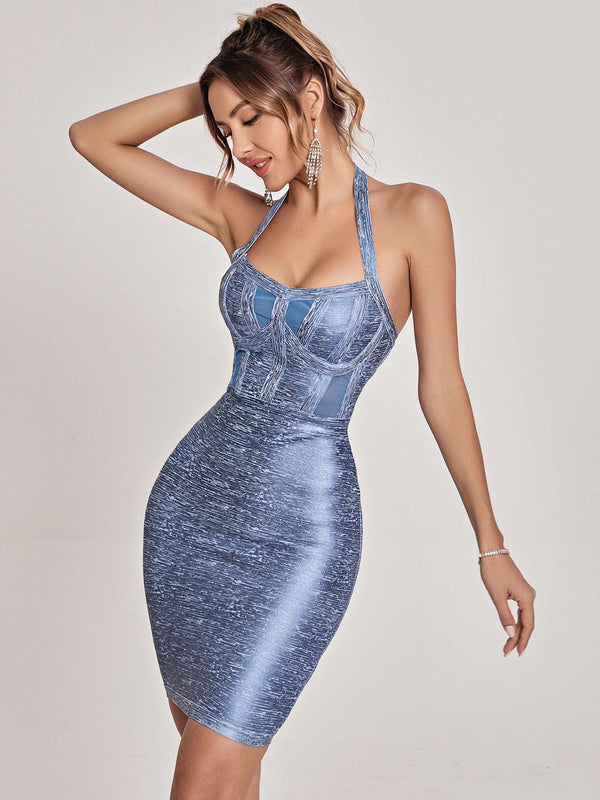
Charlie Halterneck Bandage Dress In Blue – Mew Mews
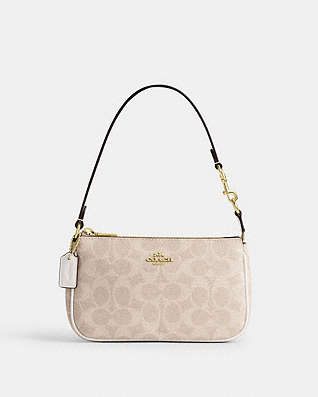
Bags, Handbags & Purses | Coach Outlet
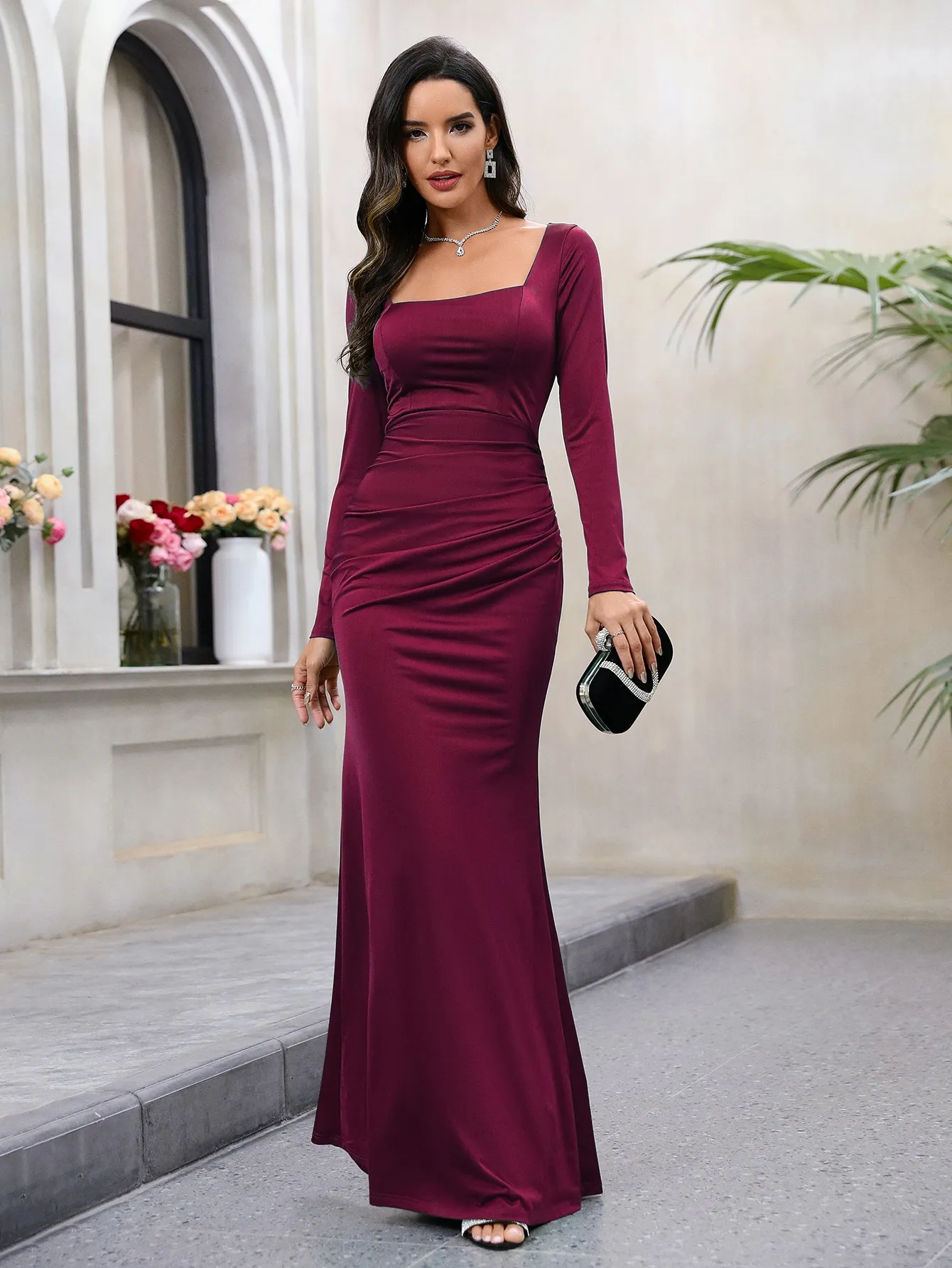
Mermaid Bodycon Dress | Savana | Bestsellers
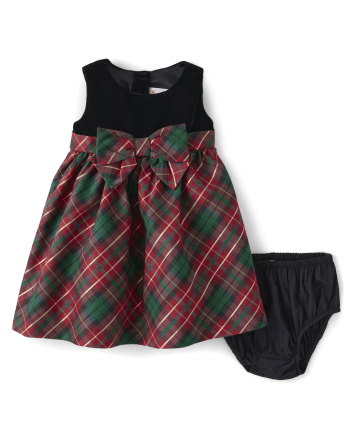
Baby Girls Matching Family Sleeveless Plaid Bow Woven Fit And ...
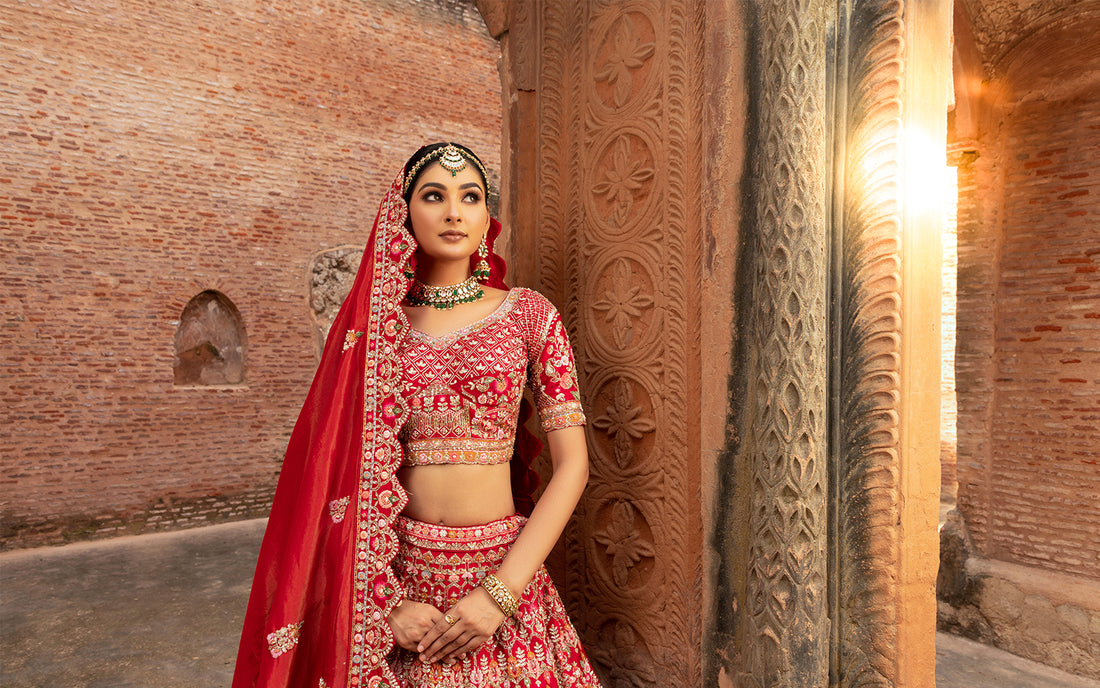
Indian Wedding Dresses: A Complete Guide to Indian Attire and ...

Plus Size Hl Bandage Dress Navy Blue Heidi Bandage Midi Dress ...
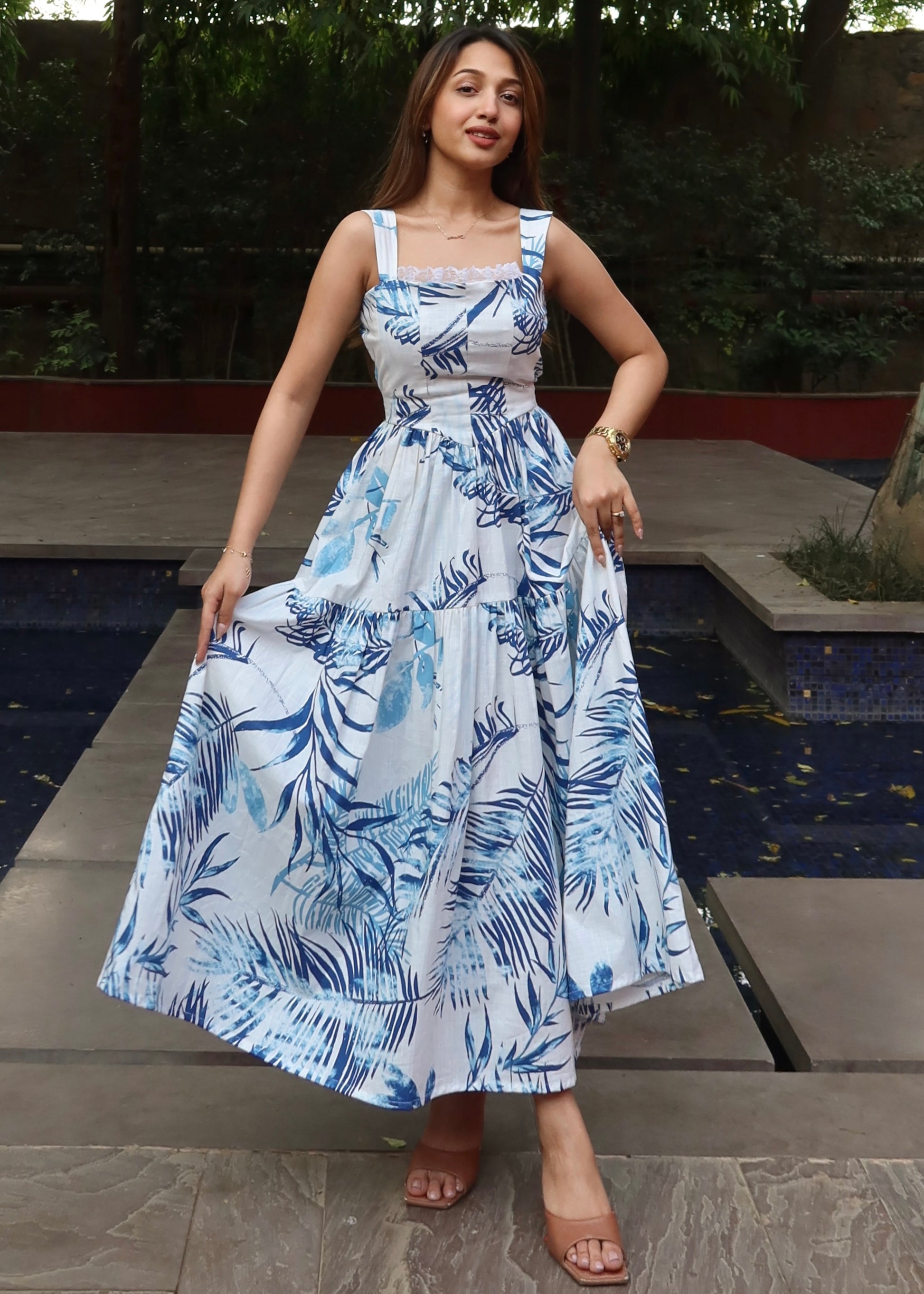
Bailey Summer Dress – diamondlady


Yorumlar