
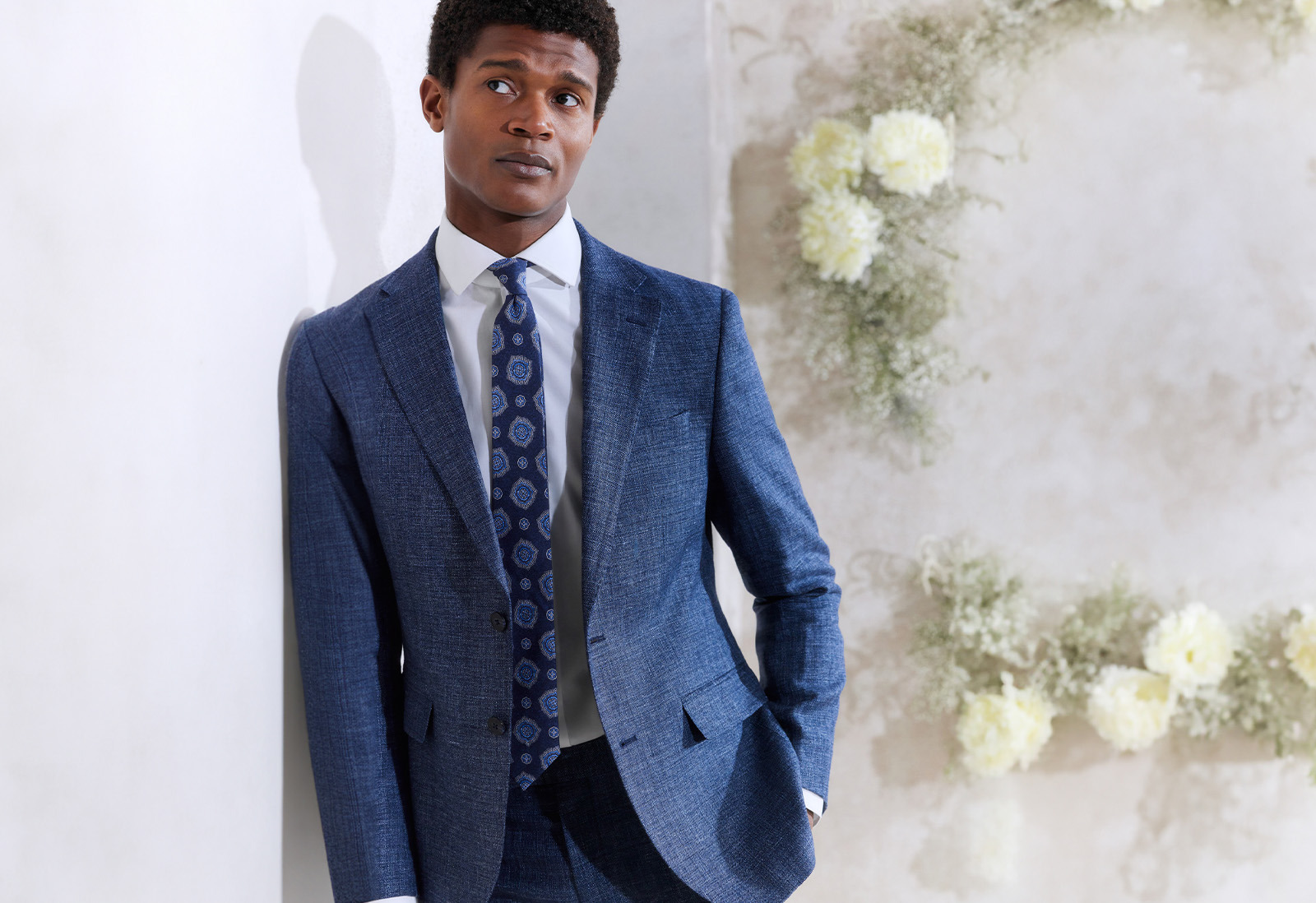
The term "lounge suit" is a cornerstone of modern dress codes, often appearing on invitations and event guidelines. Far from being a relic of the past, it represents a versatile and widely accepted standard for smart, professional, and semi-formal attire. Essentially, a lounge suit refers to the classic two-piece suit that most men own or are familiar with, serving as a reliable go-to for countless occasions where looking polished is paramount. Understanding its components and appropriate contexts is key to navigating the world of formal wear with confidence.
At its heart, a lounge suit comprises a matching jacket and trousers, typically made from the same fabric and color. Common choices include navy, charcoal grey, or black, though lighter shades like light grey or subtle patterns like pinstripes are also acceptable depending on the occasion. Underneath the jacket, a collared, long-sleeved dress shirt is mandatory, usually in white, light blue, or a similarly subdued color. A tie is an indispensable accessory, adding a touch of personality and completing the ensemble. Footwear should be smart, polished leather dress shoes such as Oxfords, Derbies, or loafers, in black or dark brown. A matching leather belt and a pocket square can further refine the look, demonstrating attention to detail without overdoing it.
The versatility of the lounge suit is one of its greatest strengths. It's the expected attire for most business environments, professional meetings, and job interviews. Many weddings, particularly those held during the day or with a "semi-formal" dress code, will see guests in lounge suits. It's also the appropriate choice for funerals, where darker colors like charcoal or black are preferred. Beyond these, the lounge suit is suitable for many evening events that don't quite warrant black tie, such as cocktail parties, smart dinners, or theatre outings. Its adaptability makes it a reliable option for nearly any event that calls for a smart, put-together appearance without veering into overly formal territory.
Understanding where the lounge suit fits within the spectrum of dress codes is crucial. It sits comfortably above "business casual," which typically allows for blazers with chinos or dress trousers without a tie, and "smart casual," which is even more relaxed. Conversely, it is distinctly less formal than "black tie" or "white tie." Black tie specifically requires a tuxedo, bow tie, and often patent leather shoes, reserved for very formal evening events. The lounge suit, with its broader color palette and tie options, offers a more relaxed yet still sophisticated alternative. It strikes a perfect balance, signaling respect and professionalism without the strictures of more elaborate formal wear.
In conclusion, the lounge suit is much more than just a suit; it's a foundational element of a well-dressed wardrobe. Its classic appeal, professional demeanor, and remarkable versatility make it an indispensable choice for a vast array of social and business engagements. By adhering to its simple yet effective guidelines, one can confidently navigate diverse dress code expectations, always presenting a polished and appropriate image.
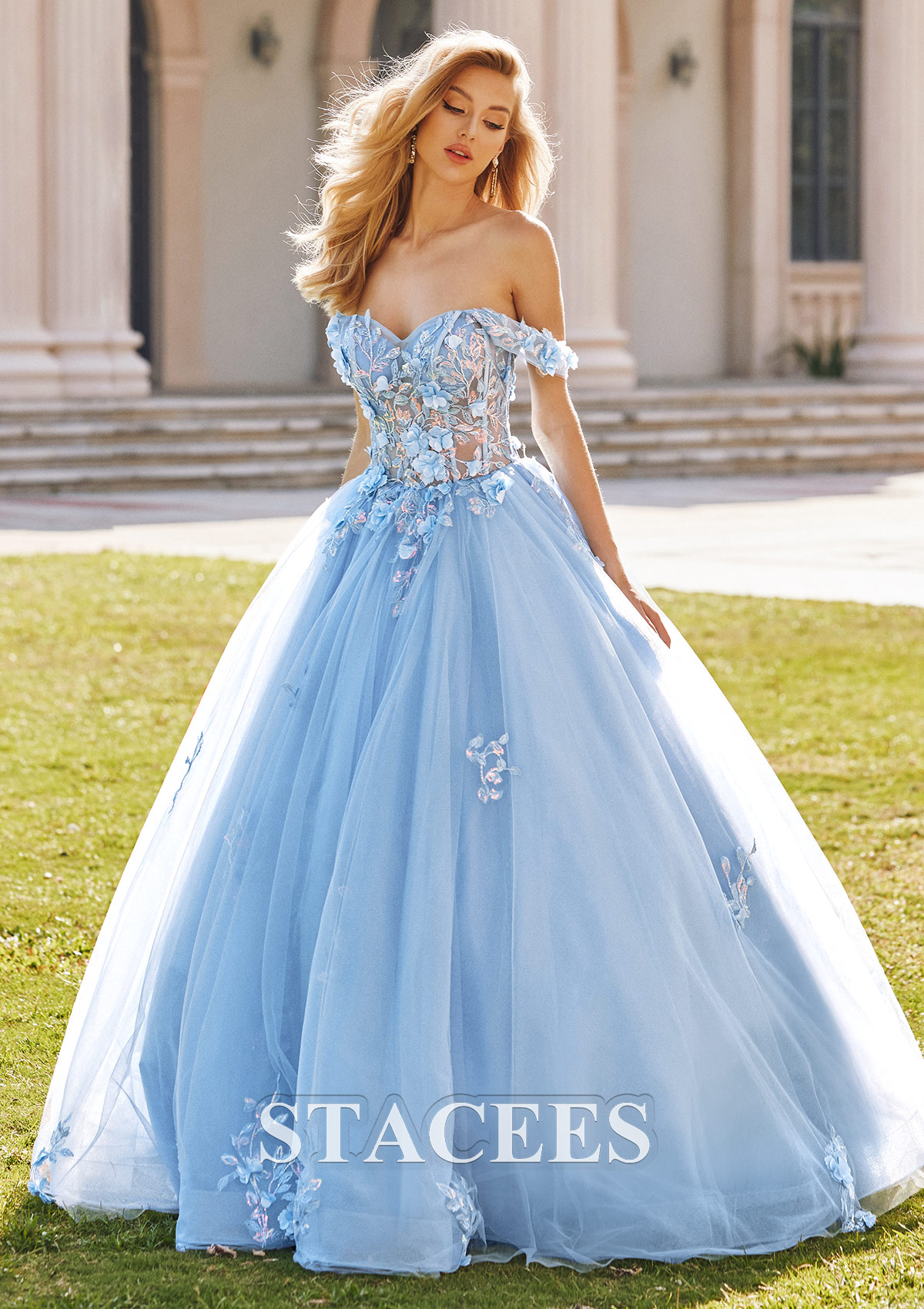
Ball Gown Off-the-Shoulder Long-Length Tulle Prom Dress with ...
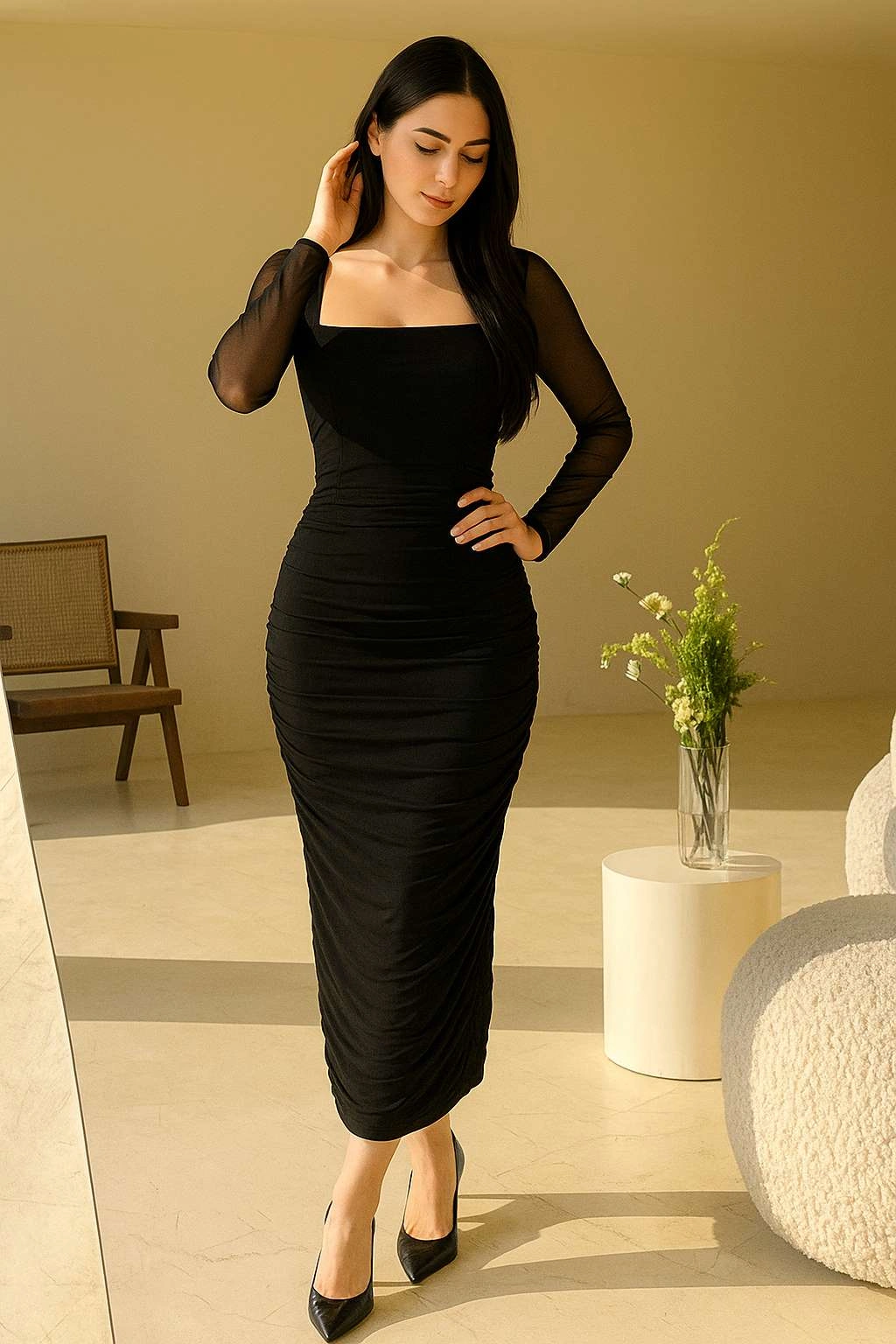
Sheer Sleeves Formal Black Bodycon Dress Trendy Women's Fashion At ...
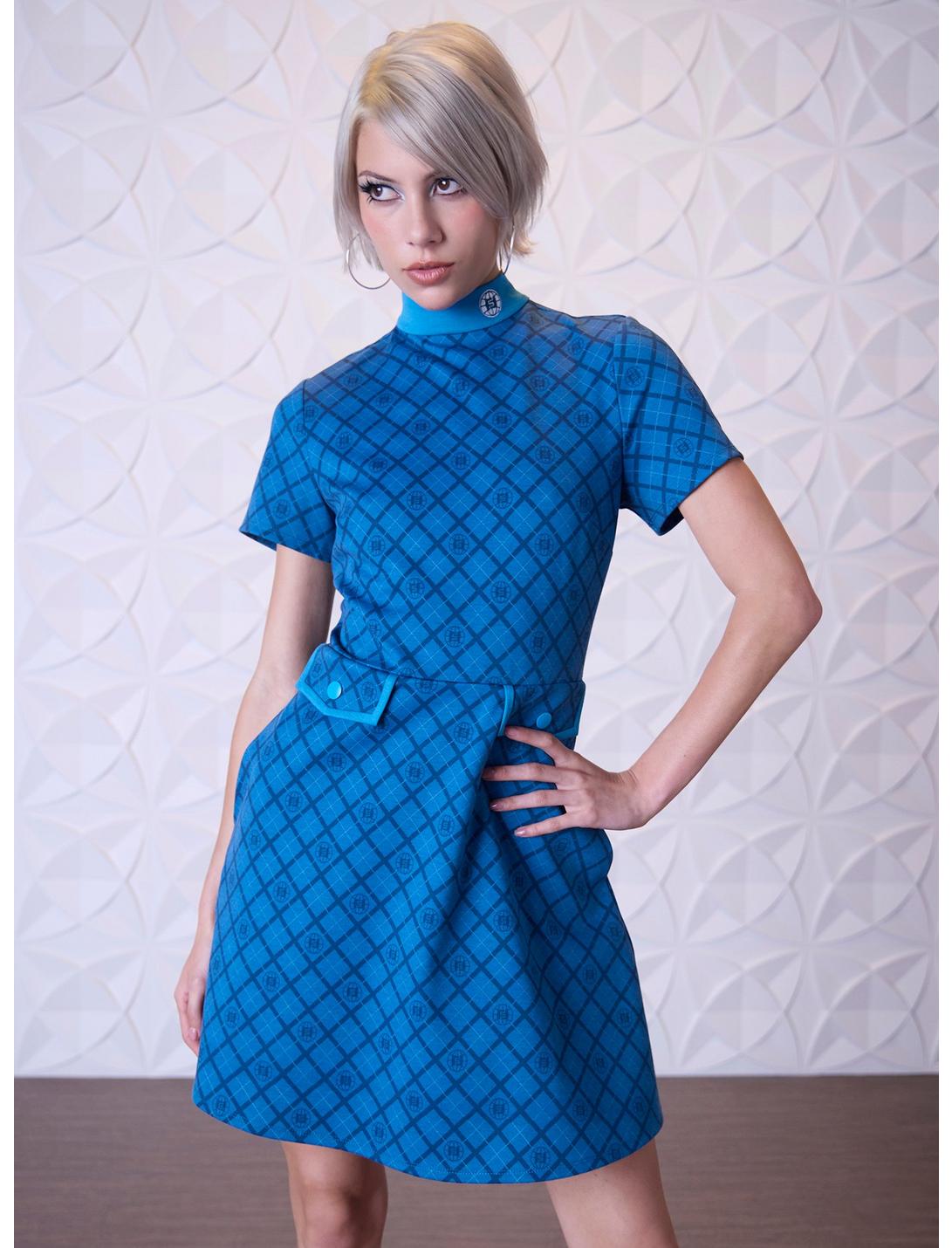
Her Universe Marvel The Fantastic Four: First Steps Logo Retro
![2024 Plus Size African Mermaid Wedding Dress Bridal Gowns For ... [google]](admin/resimler/2024-plus-size-african-mermaid-wedding-dress-bridal-gowns-for-google_1764149774.jpg)
2024 Plus Size African Mermaid Wedding Dress Bridal Gowns For ... [google]
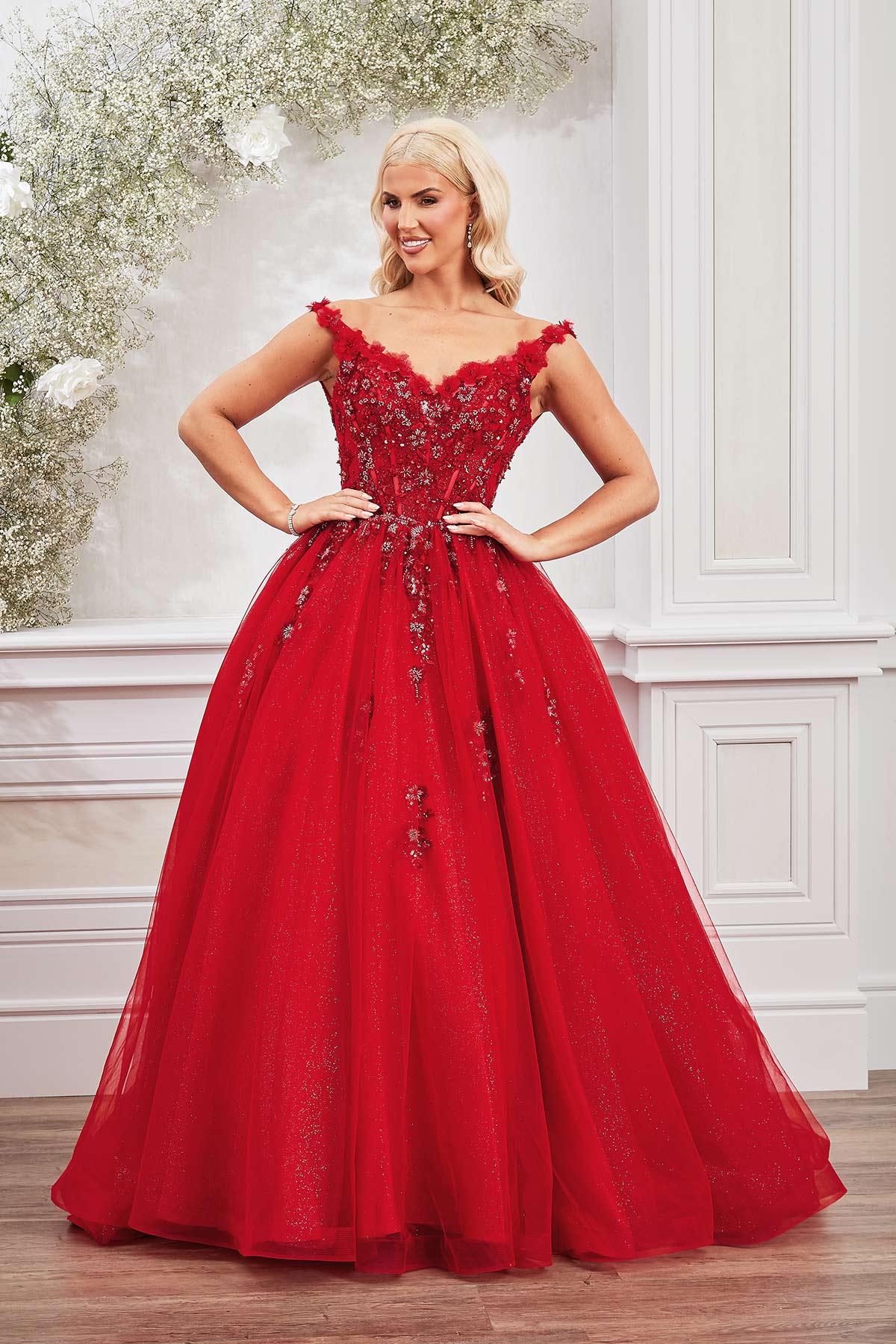
Red Flower Detailed Bodice Ball Gown Prom Dress | Red Carpet Reay
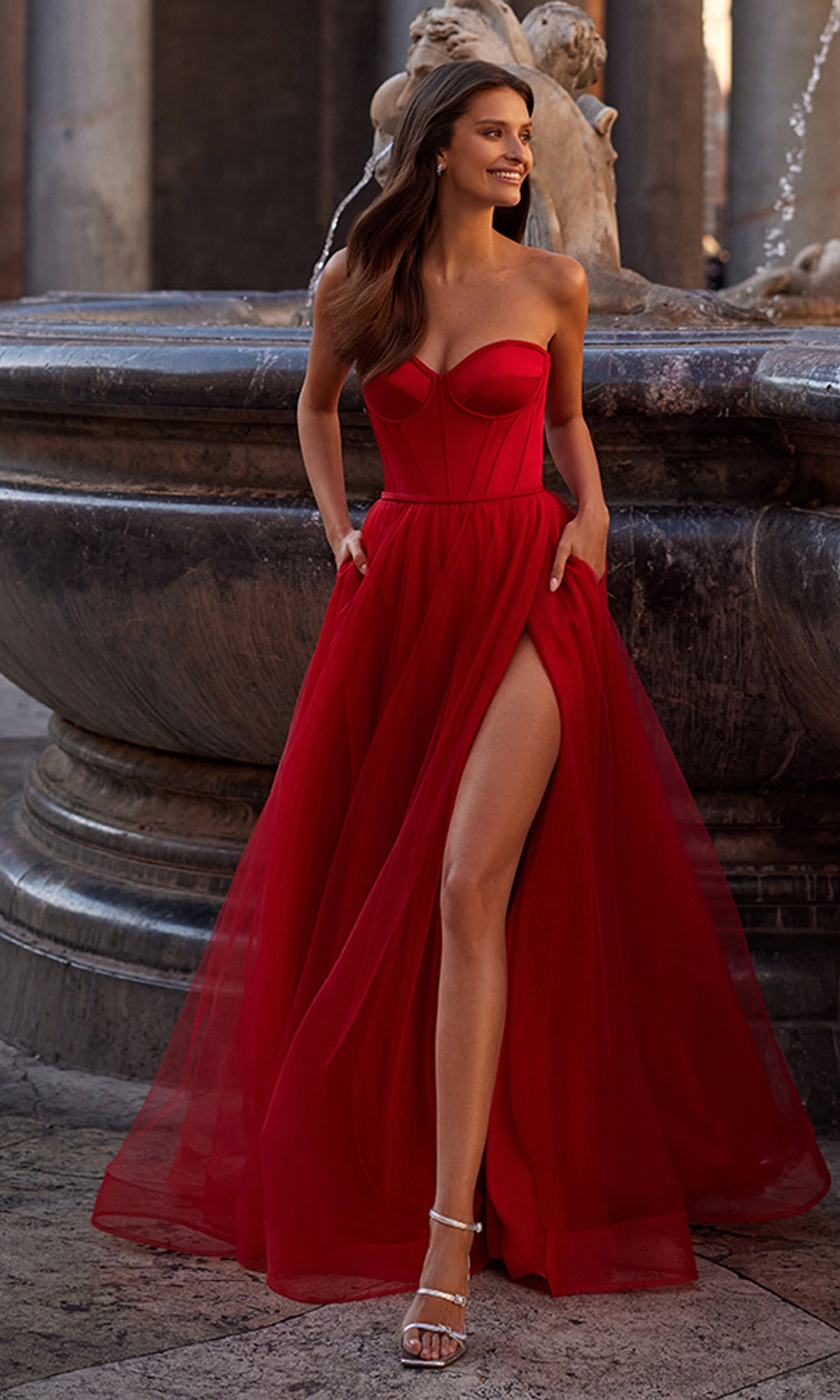
Strapless Long A-Line Prom Dress with Pockets
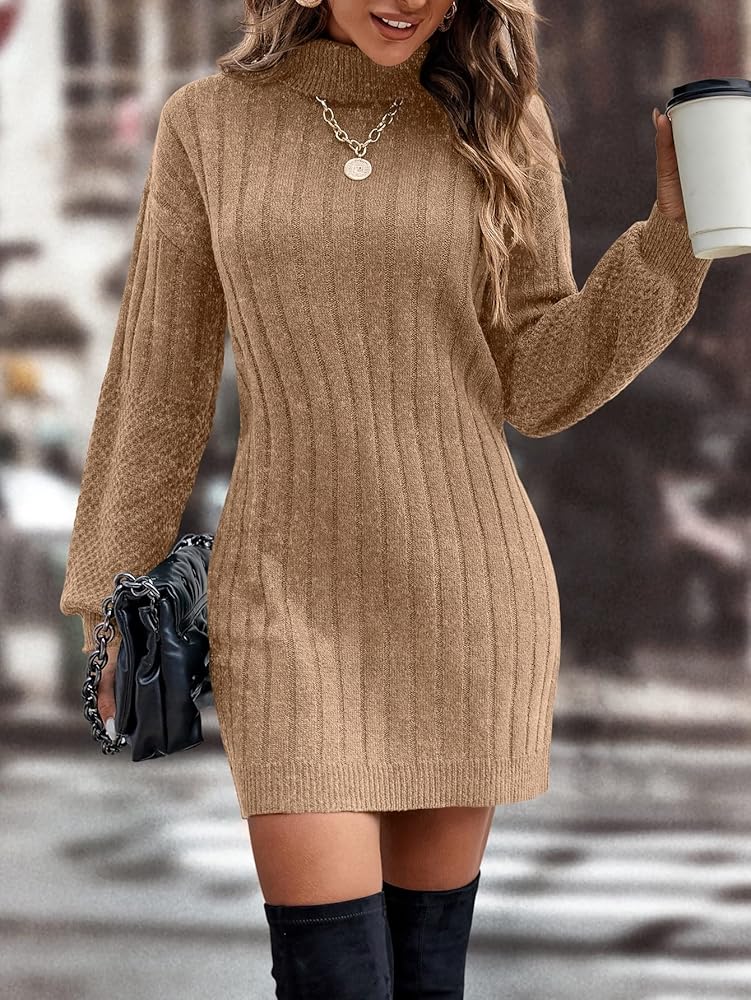
Women Fall Winter Sweater Dress High Neck Drop Shoulder Sweater ...
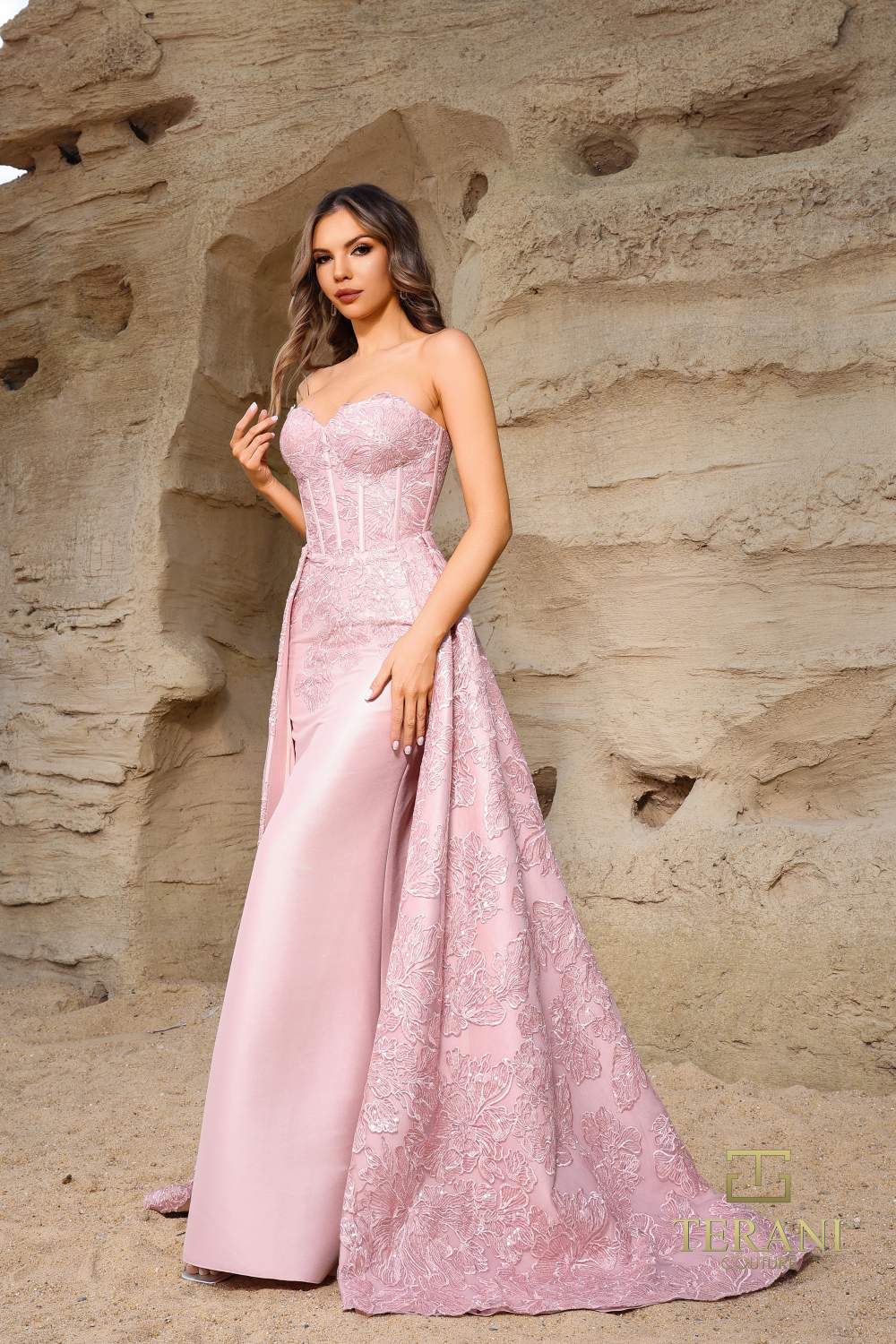
Makale description: 252E5134 - Sweetheart Neck Fit and Flare Evening Dress
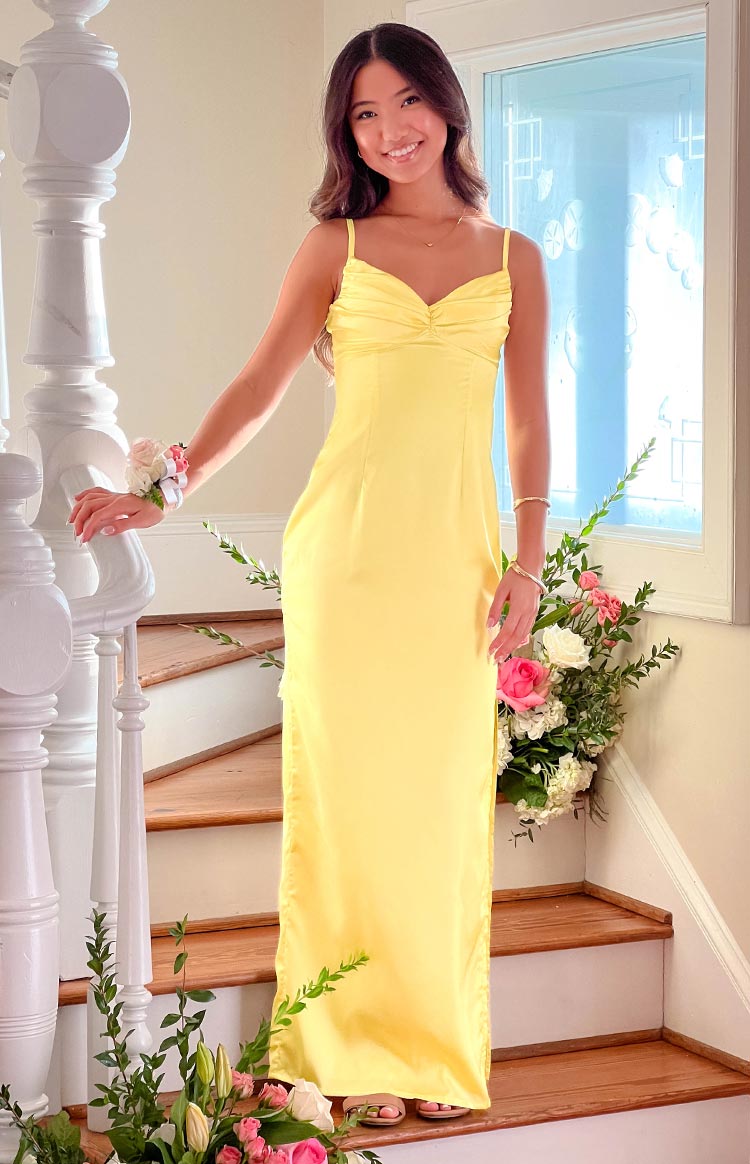
Honey Yellow Maxi Dress | Beginning Boutique US
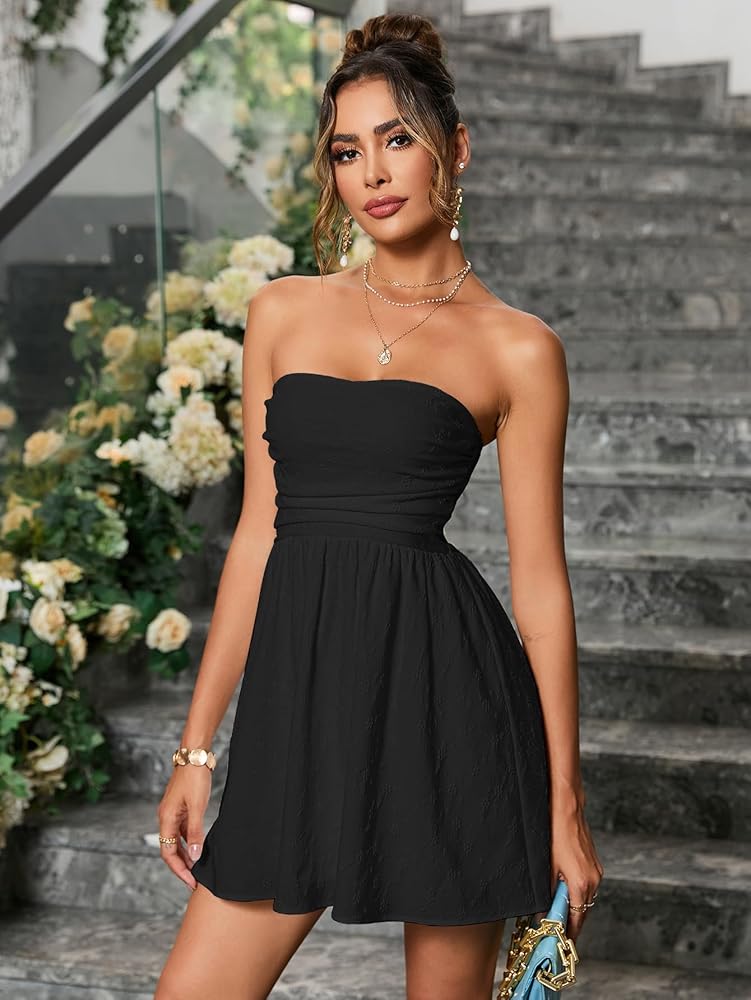
VKIHOC Summer Strapless Mini Dress Sleeveless Smocked Flowy A Line


Yorumlar